
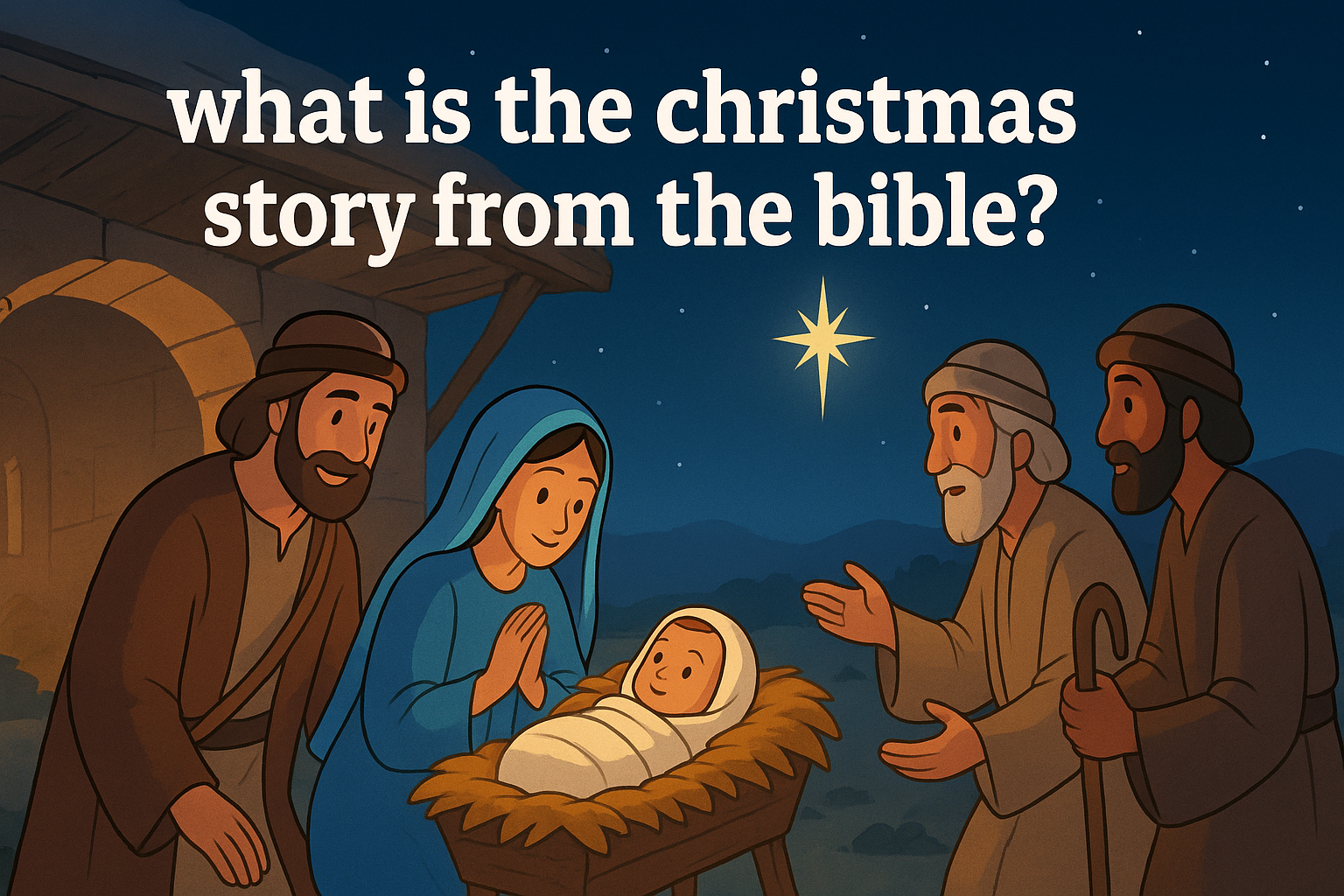
The Christmas story is a cherished narrative within the Christian tradition that recounts the birth of Jesus Christ, the Savior of the world. This story is celebrated annually during the Christmas season, symbolizing hope, love, and the fulfillment of God’s promise to humanity. It is rooted in the accounts found in the Gospels of Matthew and Luke, which provide the primary biblical framework for understanding this momentous event.
At its core, the Christmas story reveals how God chose to enter the world in the humble form of a baby, born to Mary and Joseph in Bethlehem. This miraculous birth is not only significant for its historical context but also for its spiritual implications, as it marks the beginning of God’s plan for redemption through Jesus Christ.
The Annunciation: A Divine Message
The Christmas story begins with the Annunciation, where the angel Gabriel visits Mary to deliver an extraordinary message. In Luke 1:26-38, Gabriel tells Mary that she has been chosen to conceive the Son of God through the Holy Spirit. This moment is pivotal, as it signifies God’s direct intervention in human history. Mary, a young virgin, responds with faith, saying, “I am the Lord’s servant. May your word to me be fulfilled.” This highlights her willingness to accept God’s plan despite the immense challenges she would face.
The Journey to Bethlehem
As the time for Jesus’ birth approaches, a significant event unfolds. In Luke 2:1-5, we learn that a decree from Caesar Augustus requires everyone to return to their ancestral towns for a census. Joseph, being of the line of David, must travel from Nazareth to Bethlehem with Mary, who is pregnant. This journey is about 70 miles and would have been arduous, especially for a woman in her final days of pregnancy. It also fulfills the prophecy found in Micah 5:2, which states that the Messiah would be born in Bethlehem.
The Birth of Jesus
Upon arriving in Bethlehem, Mary and Joseph face a significant challenge: there is no room for them in the inn. Luke 2:6-7 recounts how Mary gives birth to Jesus in a stable and places Him in a manger, a feeding trough for animals. This humble setting emphasizes the theme of humility and the unexpected nature of God’s plans. The birth of Jesus, the King of Kings, occurs in the most modest circumstances, illustrating that God’s ways are often contrary to human expectations.
The Shepherds and the Angels
Immediately following Jesus’ birth, a remarkable event occurs in the fields nearby. In Luke 2:8-14, an angel appears to a group of shepherds, announcing the good news of great joy that a Savior has been born. The angel tells them that they will find the baby wrapped in cloth and lying in a manger. Suddenly, a multitude of heavenly hosts joins the angel, praising God and declaring, “Glory to God in the highest heaven, and on earth peace to those on whom his favor rests.” This announcement to the shepherds, who were considered lowly members of society, further emphasizes the inclusive nature of Jesus’ message and mission.
The Visit of the Shepherds
Following the angelic announcement, the shepherds hurried to Bethlehem to see the newborn Savior. Luke 2:15-20 describes their journey and their response upon finding Mary, Joseph, and the baby Jesus. The shepherds share the angel’s message with others, spreading the news of Christ’s birth. Their actions exemplify the joy and wonder of encountering the Savior, and they return glorifying and praising God for all they had seen and heard. This highlights the importance of sharing the good news of Jesus with others.
The Magi: Wise Men from the East
While the shepherds represent the humble and ordinary, the visit of the Magi, or wise men, introduces another dimension to the Christmas story. In Matthew 2:1-12, we learn that these men, guided by a star, travel from the East to worship the newborn King. They bring valuable gifts of gold, frankincense, and myrrh, symbolizing Jesus’ kingship, divinity, and eventual suffering. Their journey signifies that Jesus’ birth is not only for the Jewish people but for all nations, fulfilling the promise that He would be a light to the Gentiles.
The visit of the Magi also includes a warning from God to Joseph in a dream, urging him to flee to Egypt to protect Jesus from King Herod’s murderous intentions. This divine intervention underscores the significance of Jesus’ life and the lengths to which God goes to protect His plan of salvation.
The Fulfillment of Prophecies
The Christmas story is rich with prophetic fulfillment, highlighting the sovereignty of God throughout history. The birth of Jesus fulfills numerous Old Testament prophecies, including those concerning His lineage, birthplace, and the manner of His coming. Isaiah 7:14 foretells that a virgin will conceive and bear a son named Immanuel, meaning “God with us.” This profound truth is central to the Christmas narrative, emphasizing that God chose to dwell among humanity in the person of Jesus Christ.
In this first part of the Christmas story, we see the key events leading up to and including the birth of Jesus. The humble circumstances of His arrival, the divine announcements, and the fulfillment of prophecies all contribute to the significance of this event. As we reflect on these elements, we begin to understand the profound impact of Jesus’ birth and the hope it brings to the world.
The Presentation in the Temple
After the birth of Jesus, Mary and Joseph follow the Jewish customs of purification and dedicate their firstborn son to the Lord. In Luke 2:21-24, we learn that they take Jesus to the temple in Jerusalem to present Him to God, as required by the Law of Moses. This act signifies Jesus’ identity as a Jewish child and His connection to the covenant community. The couple offers a pair of doves or two young pigeons, which is the offering prescribed for those who could not afford a lamb, further illustrating their humble status.
While at the temple, they encounter Simeon, a righteous and devout man who had been promised by the Holy Spirit that he would not die before seeing the Messiah. Upon seeing Jesus, Simeon praises God and proclaims that Jesus is the salvation prepared for all people, a light for revelation to the Gentiles and the glory of Israel (Luke 2:29-32). This moment encapsulates the universal significance of Jesus’ mission and the hope He brings to both Jews and Gentiles.
Additionally, Anna, a prophetess, also recognizes Jesus and speaks about Him to all who were looking for redemption in Jerusalem (Luke 2:36-38). Their testimonies further affirm Jesus’ identity and purpose, emphasizing that His birth is not just a local event but a pivotal point in God’s redemptive plan for the entire world.
The Flight to Egypt
In the Gospel of Matthew, the narrative continues with the threat posed by King Herod. After the Magi visit and do not return to Herod, he realizes he has been deceived and orders the massacre of all boys in Bethlehem who are two years old and under (Matthew 2:13-18). This horrific act fulfills the prophecy of Jeremiah, which speaks of Rachel weeping for her children, emphasizing the sorrow that accompanies the coming of the Messiah.
Joseph receives a warning from an angel in a dream, instructing him to flee to Egypt with Mary and Jesus. This escape not only protects the Holy Family but also highlights God’s providence and care in safeguarding His plan. The flight to Egypt echoes the experiences of the Israelites, who sought refuge in Egypt during times of hardship, drawing a parallel between Jesus and the history of His people.
The Return to Nazareth
After Herod’s death, Joseph is again guided by an angel in a dream to return to Israel (Matthew 2:19-23). However, fearing Herod’s son Archelaus, he takes his family to Nazareth in Galilee, fulfilling another prophecy that Jesus would be called a Nazarene. This return to Nazareth signifies the beginning of Jesus’ formative years in a small, unassuming town, where He would grow up in a typical Jewish household, learning and preparing for His future ministry.
The Early Life of Jesus
The Bible provides limited information about Jesus’ early life, but the Gospels do offer a glimpse into His upbringing. In Luke 2:40, we read that Jesus grew and became strong, filled with wisdom, and the grace of God was upon Him. At twelve years old, He astounds the teachers in the temple with His understanding and answers, demonstrating His deep knowledge of Scripture (Luke 2:41-52). This event foreshadows His future ministry and highlights His unique relationship with God the Father.
Lessons from the Christmas Story
The Christmas story is rich with lessons that extend beyond the narrative of Jesus’ birth. It invites believers to reflect on themes of humility, obedience, and the fulfillment of God’s promises. Mary’s acceptance of her role as the mother of Jesus, despite the societal implications, serves as a powerful example of faith and trust in God. The shepherds’ joy in sharing the news of Christ’s birth encourages believers to spread the Gospel message with enthusiasm and wonder.
The visit of the Magi reminds us of the importance of seeking Jesus and recognizing His lordship over our lives. Their gifts symbolize more than material offerings; they represent worship and acknowledgment of who Jesus is. The fulfillment of prophecies throughout the story reassures us of God’s sovereignty and His intricate plan for our salvation.
Questions for Reflection
- What does the humility of Jesus’ birth teach us about God’s nature and His approach to humanity?
- How can we emulate the shepherds in our daily lives when sharing the good news of Jesus?
- In what ways can we seek Jesus like the Magi, recognizing His authority and significance in our lives?
- How does understanding the fulfillment of Old Testament prophecies impact your faith in Jesus as the Messiah?
- What can we learn from Mary and Joseph’s obedience and trust in God’s plan during uncertain times?
Conclusion: The Timeless Impact of the Christmas Story
The Christmas story is not merely a historical account; it is a profound narrative that continues to resonate with believers today. It invites us to understand the depth of God’s love and the lengths He went to bring salvation to humanity. As we celebrate Christmas, we are reminded that the birth of Jesus represents hope, peace, and the promise of redemption. This story calls us to reflect on our own lives and the ways we can share the joy of Christ with others, ensuring that the message of His birth remains alive in our hearts and communities throughout the year.