
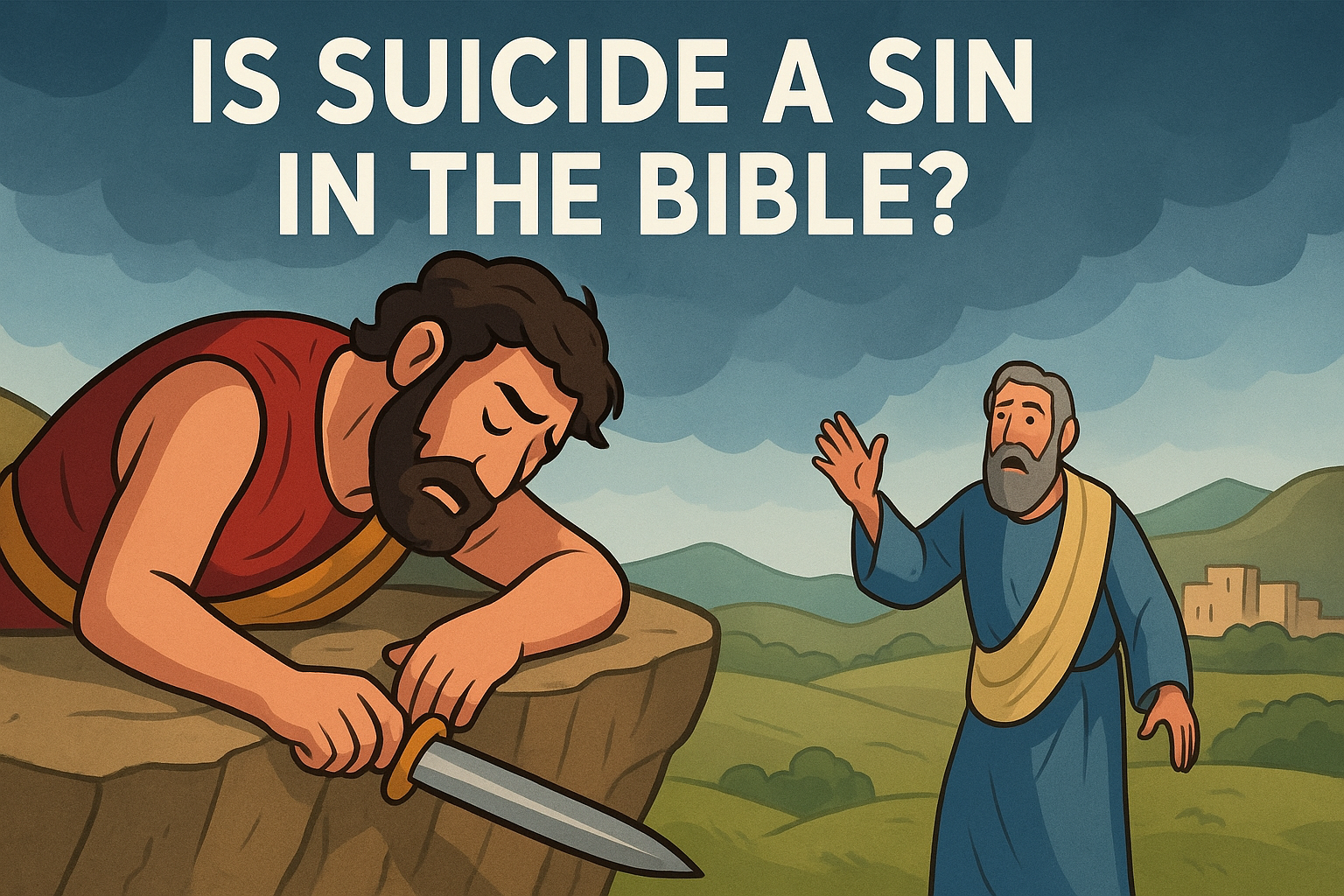
The topic of suicide is one that weighs heavily on the hearts and minds of many, particularly within the Christian faith. Understanding what the Bible says about suicide can be complex and emotionally charged. This article aims to explore the question of whether suicide is considered a sin according to biblical teachings and what context can help us understand this sensitive issue.
Directly answering the question, the Bible does not explicitly mention suicide as a sin. However, there are numerous passages that discuss the value of life and the importance of hope and support in times of distress. By examining these scriptures, we can gain insight into how suicide is viewed from a biblical perspective.
The Value of Life in Scripture
Throughout the Bible, life is regarded as a precious gift from God. In Genesis 1:27, it states that humans are created in the image of God, which emphasizes the inherent value of every individual. This foundational truth is echoed in Psalm 139:13-14, where it says, “You made all the delicate, inner parts of my body and knit me together in my mother’s womb. Thank you for making me so wonderfully complex! Your workmanship is
Understanding Mental Health and Biblical Perspectives
One crucial aspect to consider when discussing suicide in the context of the Bible is the issue of mental health. The Bible recognizes the struggles of the human condition, including feelings of despair and hopelessness. For instance, the story of Elijah illustrates a profound moment of despair when he fled from Queen Jezebel and wished for death (1 Kings 19:4). God did not condemn Elijah for his feelings but instead provided him with rest and nourishment, showing the importance of care and support.
This narrative reminds us that mental health struggles are not new and that biblical figures experienced deep emotional pain. Understanding this can lead to a compassionate approach toward those who are suffering, rather than a judgmental one. It is vital for Christians to offer support and understanding, recognizing that mental illness can significantly impact one’s ability to cope with life’s challenges.
The Role of Compassion and Community
Christian teachings emphasize compassion and community support, especially for those in distress. In Galatians 6:2, believers are encouraged to “carry each other’s burdens.” This principle is foundational in providing a supportive environment where individuals can seek help without fear of shame or condemnation. When discussing suicide, it is essential to foster open conversations about mental health, encouraging individuals to seek help and resources available to them.
Additionally, the church can play a pivotal role in providing support systems. Whether through counseling services, support groups, or simply being a listening ear, the Christian community can help individuals feel valued and loved, which may ultimately deter thoughts of suicide.
Exploring Forgiveness and Redemption
Another critical aspect to consider is the nature of God’s forgiveness. Many Christians believe that God’s love and grace extend to all, regardless of the circumstances. While some interpretations suggest that suicide may lead to eternal separation from God, it is essential to remember that God’s mercy is profound. In Romans 8:38-39, it is stated that nothing can separate us from the love of God, which can be a comforting truth for those grappling with feelings of despair.
This perspective encourages believers to focus on the hope of redemption rather than condemnation. The church should emphasize that even in moments of extreme pain, God’s love remains. This can provide solace to those struggling with suicidal thoughts and assure them that their worth is not diminished by their struggles.
Important Questions to Reflect On
As we explore the question of suicide in the Bible, several reflective questions can help guide our understanding:
- How can we better support those in our community who are struggling with mental health issues?
- What role does faith play in coping with despair and hopelessness?
- How can churches create a more welcoming environment for discussions about mental health?
- In what ways can we remind others of their worth and value as creations of God?
These questions invite deeper reflection on how we, as a community, can respond to the complex issue of suicide with compassion and understanding, rooted in biblical teachings.
Conclusion: A Call to Compassion and Understanding
In summary, while the Bible does not explicitly label suicide as a sin, it emphasizes the value of life, the importance of community, and the need for compassion toward those in distress. Understanding mental health as a significant factor in this discussion allows Christians to engage with empathy rather than judgment.
Ultimately, the Christian response to suicide should be one of love and support, offering hope and assistance to those who may feel lost. By fostering an environment of open dialogue and understanding, the church can play a vital role in addressing this sensitive issue and helping individuals find the help they need.