
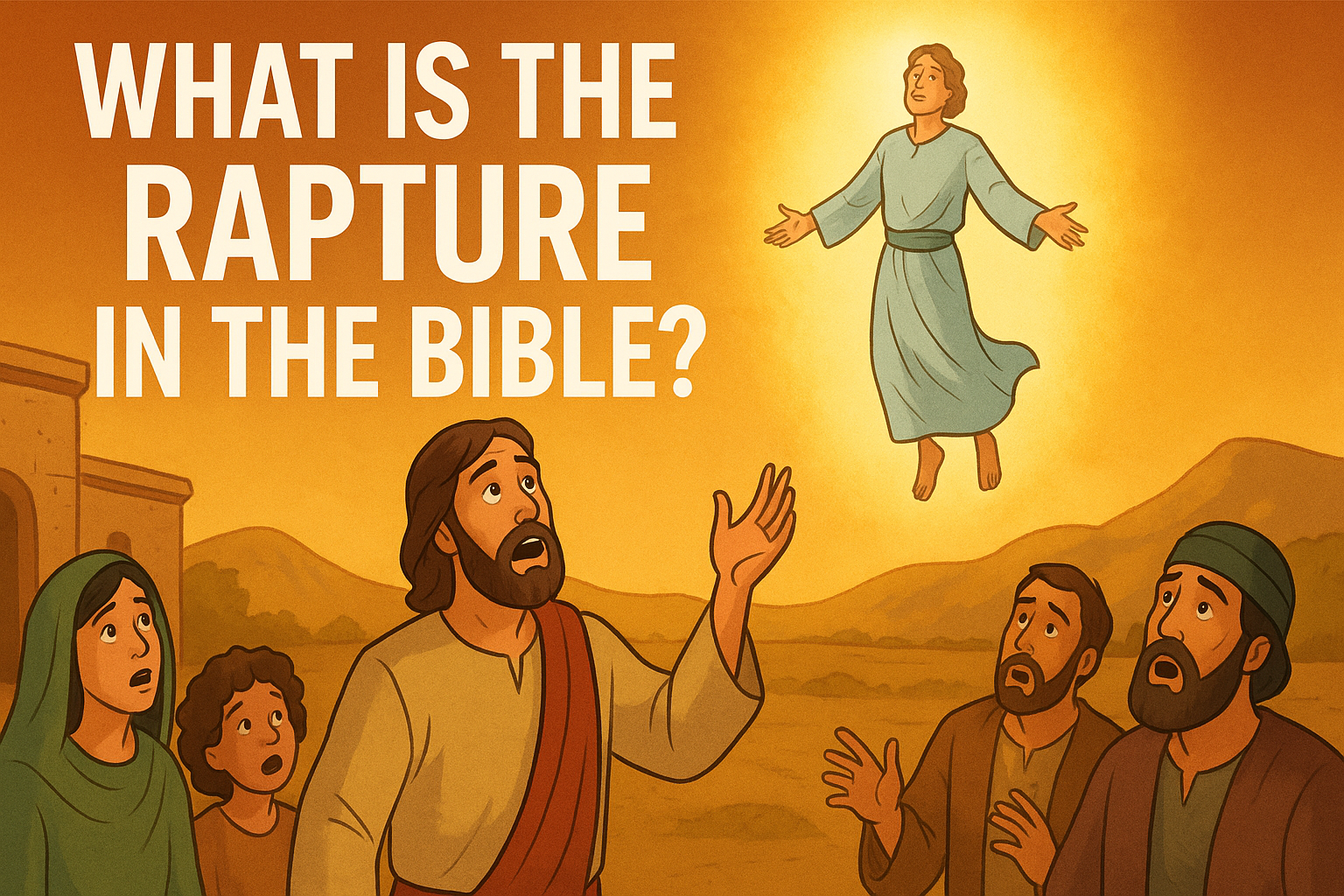
The concept of the rapture has intrigued and divided Christians for centuries. It is a topic that stirs up various interpretations and opinions among believers. Understanding the rapture requires exploring relevant biblical passages and the context in which they were written. In this article, we will delve into the meaning of the rapture, its biblical foundations, and how it fits into the larger narrative of Christian eschatology.
The rapture, as commonly understood, refers to the event where believers in Christ are caught up or taken away to meet the Lord in the air. This event is often associated with the second coming of Christ, although interpretations of its timing and nature vary widely among different Christian denominations. The primary scriptural basis for the rapture is found in 1 Thessalonians 4:16-17, which states that the Lord will descend from heaven, and those who are dead in Christ will rise first. Then, those who are alive and remain will be caught up together with them in the clouds to meet the Lord. This passage highlights the hope and assurance that believers have regarding their future with Christ.
Biblical Foundations of the Rapture
Key Scripture Passages
Several key passages in the New Testament provide insight into the rapture. In addition to 1 Thessalonians 4:16-17, another significant passage is found in 1 Corinthians 15:51-52, where Paul writes about the transformation of believers at the last trumpet. He describes how the dead will be raised imperishable and how the living will be changed in an instant. These verses emphasize the miraculous nature of the event and the hope of eternal life that awaits believers.
Additionally, Jesus speaks about His return in John 14:2-3, where He assures His disciples that He is going to prepare a place for them and will return to take them to be with Him. This promise adds a personal dimension to the rapture, as it reflects the intimate relationship between Christ and His followers.
Context and Interpretation
The interpretation of the rapture varies among Christians. Some hold to a pre-tribulation view, believing that the rapture will occur before a period of great tribulation on earth. Others believe it will happen mid-tribulation or post-tribulation, meaning it will occur during or after the tribulation period. These differing views stem from various interpretations of prophetic scriptures, particularly the Book of Revelation and the Olivet Discourse found in Matthew 24.
It is essential to recognize that while the concept of the rapture is widely accepted in many evangelical circles, it is not explicitly mentioned in the Bible by that term. The word “rapture” itself comes from the Latin word “rapere,” which means “to seize” or “to snatch away.” The theological concept, however, is derived from the aforementioned passages that describe believers being taken up to be with the Lord.
The Purpose of the Rapture
Hope and Encouragement
One of the primary purposes of the rapture is to provide hope and encouragement to believers. In 1 Thessalonians 4:18, Paul encourages the Thessalonian church to comfort one another with the hope of the rapture. This event serves as a reminder that believers are not destined for wrath but are promised eternal life with Christ. It reassures them that despite the trials and tribulations they face in this world, there is a glorious future awaiting them.
Separation of the Righteous and the Wicked
Another aspect of the rapture is the separation it signifies between the righteous and the wicked. Matthew 24:40-41 illustrates this concept, where Jesus describes two men in the field, one taken and the other left. This imagery emphasizes the distinct fate of believers, who will be gathered to Christ, compared to those who do not believe. This separation underscores the importance of faith in Jesus and the urgency of sharing the gospel message.
Common Misconceptions about the Rapture
Not a Biblical Word
As mentioned earlier, the term “rapture” is not found in the Bible. This can lead to confusion or skepticism about the doctrine. Some argue that because the word is not explicitly mentioned, the event itself may not be biblical. However, the underlying concept is firmly rooted in scripture, even if the terminology differs. It is crucial to differentiate between the terminology and the biblical truths they represent.
Timing and Nature of the Rapture
Another common misconception is that there is a universally accepted timeline for the rapture. However, as noted, various interpretations exist regarding when the rapture will occur in relation to the tribulation. These differing views can lead to heated debates among Christians. It is essential to approach these discussions with grace and a willingness to listen to differing perspectives, as these interpretations often stem from sincere attempts to understand God’s word.
Rapture vs. Second Coming
Some people conflate the rapture with the second coming of Christ. While they are related events, they are not the same. The rapture involves believers being caught up to meet Christ in the air, while the second coming refers to Christ’s return to earth to establish His kingdom and judge the world. Understanding this distinction is vital for a comprehensive view of eschatology.
Theological Implications of the Rapture
The rapture has significant theological implications that extend beyond the event itself. It touches on doctrines such as salvation, the nature of God, and the hope of eternal life. Understanding these implications can deepen a believer’s faith and clarify the significance of their relationship with Christ.
Salvation and Assurance
The rapture highlights the assurance believers have in their salvation. Ephesians 2:8-9 teaches that we are saved by grace through faith, not by our works. The promise of the rapture reinforces this truth, emphasizing that salvation is a gift from God. When believers are taken up to meet the Lord, it serves as a powerful reminder of the grace that has secured their place in heaven.
The Nature of God’s Promise
The rapture is also an affirmation of God’s faithfulness to His promises. Throughout Scripture, God reassures His people of His unwavering commitment to them. The rapture is a fulfillment of the promises made by Christ, revealing His intention to gather His followers to Himself. This assurance can strengthen believers’ trust in God’s character and His plans for the future.
Different Views on the Rapture
The diversity of views on the rapture often reflects broader theological perspectives. Here are some of the main interpretations held by Christians today:
Pre-Tribulation Rapture
This view posits that the rapture will occur before a time of great tribulation on earth. Proponents believe that God will protect His people from the coming judgment, allowing them to escape the suffering associated with the tribulation. This perspective emphasizes God’s mercy and the hope found in His promises.
Mid-Tribulation Rapture
According to this interpretation, the rapture will take place in the middle of the tribulation period. Believers will experience some of the tribulation but will be taken up before the most severe judgments are unleashed. This view suggests that while believers will face trials, they will ultimately be spared from the worst of God’s wrath.
Post-Tribulation Rapture
The post-tribulation view holds that the rapture will occur at the end of the tribulation period. Believers will endure the trials and tribulations alongside the rest of humanity but will be taken up to meet Christ just before His second coming. This perspective emphasizes perseverance in faith and the idea that suffering can be a part of the Christian experience.
The Rapture in the Context of Other Biblical Events
Understanding the rapture also requires looking at it in relation to other significant biblical events. The rapture is often discussed alongside the second coming of Christ, the resurrection of the dead, and the final judgment.
The Resurrection
The rapture is closely tied to the resurrection of the dead. 1 Thessalonians 4:16 indicates that the dead in Christ will rise first, which means that the rapture and resurrection are interconnected events. This understanding reinforces the Christian belief in the hope of eternal life and the promise of bodily resurrection.
The Second Coming and the Final Judgment
As noted earlier, the rapture is distinct from the second coming. While the rapture involves believers being taken up, the second coming refers to Christ’s return to earth to establish His kingdom and execute judgment. The timing of the rapture in relation to the second coming is a point of contention among different theological views. Understanding these events helps provide clarity on God’s ultimate plan for humanity and the culmination of history.
Living in Light of the Rapture
For many believers, the rapture is not just a theological concept but a motivator for how they live their lives. The anticipation of Christ’s return encourages spiritual vigilance and a commitment to sharing the gospel.
Spiritual Vigilance
In light of the rapture, believers are called to live with a sense of urgency. Jesus instructs His followers to be watchful and ready for His return (Matthew 24:42). This call to vigilance encourages Christians to maintain a close relationship with God, remain faithful, and be active in their faith. The hope of the rapture can serve as a catalyst for spiritual growth and maturity.
Sharing the Gospel
The rapture also compels believers to share the good news of Jesus Christ with others. Understanding the urgency of the rapture can drive Christians to evangelize and encourage those who have not yet accepted Christ. The hope of salvation and eternal life is a message worth sharing, especially in light of the impending return of Jesus.
Conclusion: The Rapture as a Source of Hope
The rapture is a profound event that encapsulates the hope and assurance found in the Christian faith. While interpretations and understandings may vary, the core message remains clear: believers have a future hope in Christ that transcends the struggles of this world. The rapture serves as a reminder of God’s faithfulness, the promise of salvation, and the call to live in anticipation of Christ’s return. Ultimately, the rapture should inspire believers to hold fast to their faith, share the gospel, and look forward to the day when they will be united with the Lord forever.