
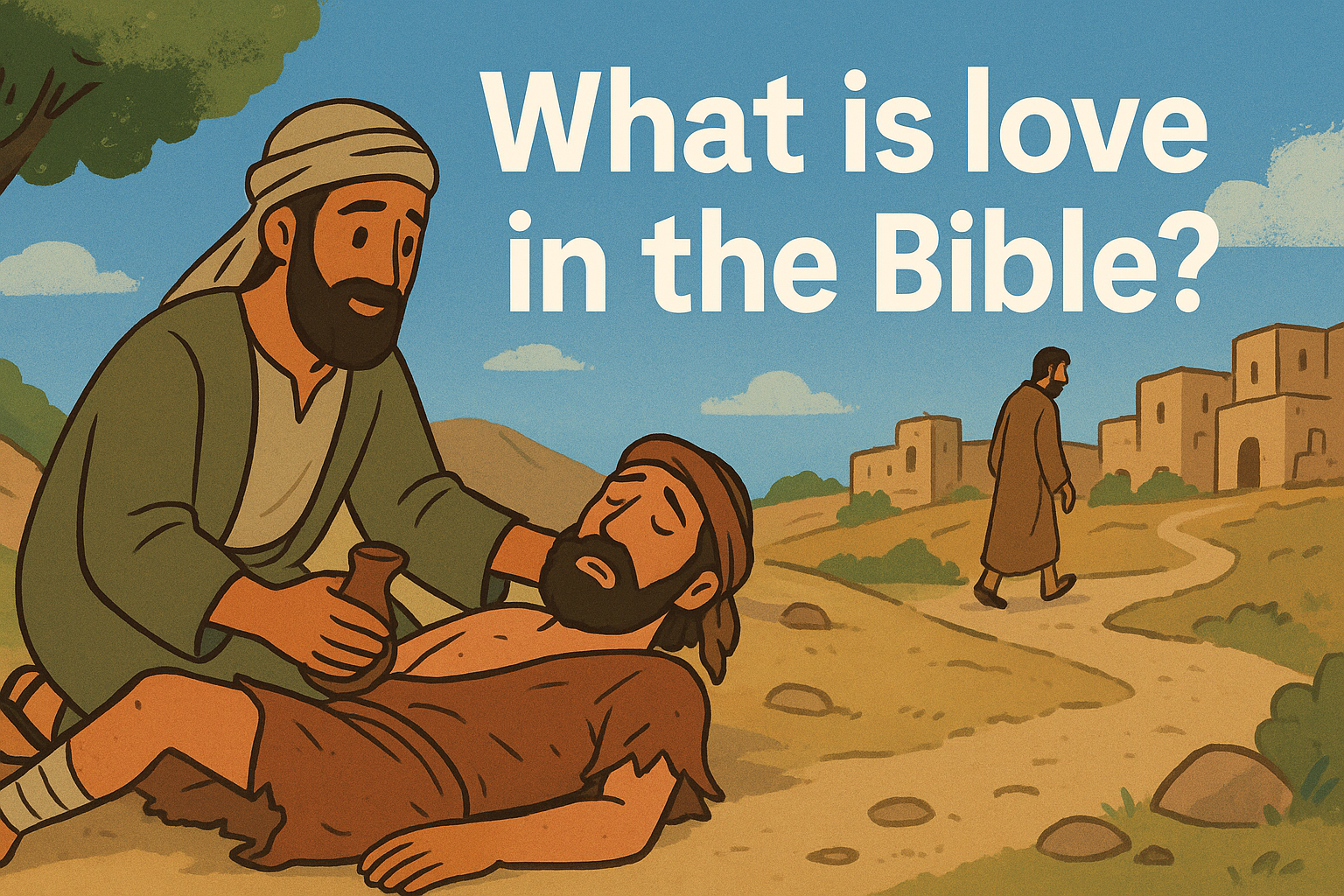
Love is a central theme in the Bible, woven throughout its pages and foundational to the Christian faith. Understanding what love is according to Scripture can transform how we interact with others and deepen our relationship with God. This article explores the nature of love as presented in the Bible, examining key verses and concepts that define love within a biblical context.
In the Bible, love is multifaceted and encompasses various types of relationships and actions. It is not merely an emotion but a commitment and a choice to act in ways that reflect God’s character. The biblical definition of love combines compassion, sacrifice, and a desire for the well-being of others.
The Nature of Love in the Bible
Agape: The Highest Form of Love
One of the most significant terms for love in the New Testament is “agape.” This Greek word signifies a selfless, unconditional love that seeks the best for others, regardless of circumstances. Agape love is exemplified in John 3:16, where it states that God loved the world so much that He gave His one and only Son so that everyone who believes in Him will not perish but have eternal life. This verse highlights the sacrificial nature of God’s love.
Love as Commanded by God
In Matthew 22:37-39, Jesus summarizes the law and the prophets by stating that we are to love God with all our heart, soul, and mind, and to love our neighbor as ourselves. This command emphasizes that love is not just an emotion but an obligation and a way of life. To love God means to prioritize Him above all else, while loving our neighbor reflects God’s love in our daily interactions.
Love in Action
The Bible emphasizes that love is demonstrated through actions. In 1 John 3:18, it is written, “Dear children, let us not love with words or speech but with actions and in truth.” This verse encourages believers to express their love tangibly, showing care and support to those around them. Love is about serving others, as seen in Jesus’ example of washing His disciples’ feet (John 13:1-17), a powerful illustration of humility and service.
The Characteristics of Biblical Love
Patience and Kindness
In 1 Corinthians 13, often referred to as the “Love Chapter,” Paul describes the characteristics of love. He begins by stating that love is patient and kind. Patience involves bearing with one another and not being quick to anger or resentment. Kindness is about being gentle and generous, reflecting God’s goodness to others.
Not Self-Seeking
Another key characteristic is that love is not self-seeking. In a world where personal gain often takes precedence, biblical love calls for a selfless attitude. Philippians 2:3-4 reminds us to do nothing out of selfish ambition but to look to the interests of others. This selflessness is a mark of true love that seeks to uplift and support those around us.
Forgiveness
Forgiveness is also an essential component of biblical love. Ephesians 4:32 instructs us to be kind and compassionate to one another, forgiving each other just as in Christ God forgave us. Love requires that we let go of grudges and extend grace, mirroring the forgiveness we receive from God. This aspect of love fosters healthy relationships and promotes peace among individuals.
The Importance of Love in Relationships
Love within the Family
The Bible places a strong emphasis on love within the family unit. In Ephesians 5:25, husbands are instructed to love their wives as Christ loved the church. This love is sacrificial and protective. Likewise, in Colossians 3:20, children are encouraged to obey their parents, reflecting love and respect within the family dynamic. Love serves as the foundation for nurturing relationships and a stable home environment.
Love in the Community
Beyond individual relationships, the Bible calls for love within the broader community. In John 13:34-35, Jesus commands His followers to love one another, stating that this love will be a distinguishing mark of His disciples. When Christians embody love, they create a welcoming and supportive community that reflects God’s kingdom on earth.
Love as a Witness to the World
Moreover, love acts as a powerful witness to the world. In 1 John 4:7, we are reminded that love comes from God, and everyone who loves is born of God and knows God. When believers demonstrate love, they showcase God’s character and draw others to Him. This love is a testimony to the transformative power of faith, illustrating that God’s love can change hearts and lives.
Love in the Old Testament
While much of the New Testament focuses on the teachings of Jesus and the early church, the Old Testament lays a foundational understanding of love that is equally significant. The Hebrew word “chesed” is often translated as loving-kindness or steadfast love. It describes God’s unwavering loyalty and faithfulness to His people, as seen in passages like Psalm 136, which recounts God’s enduring love throughout Israel’s history.
In Deuteronomy 6:5, the command to love God is reiterated, emphasizing that love for God is foundational to the Israelites’ identity and covenant relationship with Him. This love is not based solely on emotion but is intertwined with obedience to His commandments, reflecting a commitment to living in a way that honors God.
The Role of Love in Salvation
Love is central to the message of salvation in the Bible. Romans 5:8 states that God demonstrates His love for us in that while we were still sinners, Christ died for us. This sacrificial act is the ultimate expression of love, revealing that it is not based on our worthiness but on God’s grace and mercy. Understanding this aspect of love can lead to profound gratitude and a desire to share that love with others.
Love and Grace
Grace is deeply connected to the concept of love in the Bible. Ephesians 2:8-9 explains that we are saved by grace through faith, not by our works. This grace is an expression of God’s love, offering forgiveness and acceptance regardless of our past. Recognizing this can inspire believers to extend that same grace and love to others, fostering a community marked by compassion rather than judgment.
Love in the Context of Suffering
The Bible does not shy away from the reality of suffering. In times of hardship, love can be a source of strength. Romans 8:38-39 reassures believers that nothing can separate them from the love of God. This unwavering love provides comfort and hope, reminding us that even in our darkest moments, we are not alone. Understanding this can help believers support one another through trials, embodying the love that Christ demonstrated.
Love as a Command in Difficult Times
In difficult circumstances, loving others can be especially challenging. However, the Bible encourages believers to love even those who are difficult to love. In Matthew 5:44, Jesus instructs His followers to love their enemies and pray for those who persecute them. This radical love reflects the heart of the Gospel and challenges believers to rise above their natural inclinations, showcasing the transformative power of God’s love in action.
Questions for Reflection
As we explore the multifaceted nature of love in the Bible, it is essential to consider how these teachings apply to our lives. Here are some questions for reflection:
- How can I demonstrate agape love in my daily interactions with others?
- In what ways can I better reflect God’s love in my family relationships?
- Are there areas in my life where I struggle to love others, and how can I seek God’s help in those situations?
- How does understanding God’s love for me change the way I view myself and others?
- What practical steps can I take to show love in my community, especially to those who may be marginalized or in need?
The Connection Between Love and Faith
Love and faith are intricately connected in the Christian life. Galatians 5:6 states that faith expresses itself through love. This means that genuine faith in God naturally results in acts of love toward others. When believers understand the depth of God’s love for them, it fuels their desire to share that love with the world.
Moreover, 1 John 4:18 reminds us that perfect love casts out fear. When we are rooted in God’s love, we can approach life with confidence, knowing that we are secure in His embrace. This understanding allows believers to step out in faith, loving others boldly and without reservation.
Conclusion: Living Out Biblical Love
Understanding love in the Bible is crucial for every believer. It challenges us to move beyond mere feelings and to embody a love that is selfless, sacrificial, and rooted in God’s character. As we strive to love God and others, we reflect the very essence of our faith. This love has the power to transform relationships, heal wounds, and create communities that mirror the kingdom of God.
Ultimately, love is not just a concept to be understood; it is a call to action. As we engage with the teachings of Scripture, let us commit to living out God’s love daily, allowing it to guide our thoughts, words, and deeds. In doing so, we fulfill the greatest commandment and become living testimonies of His grace and mercy in a world that desperately needs it.