
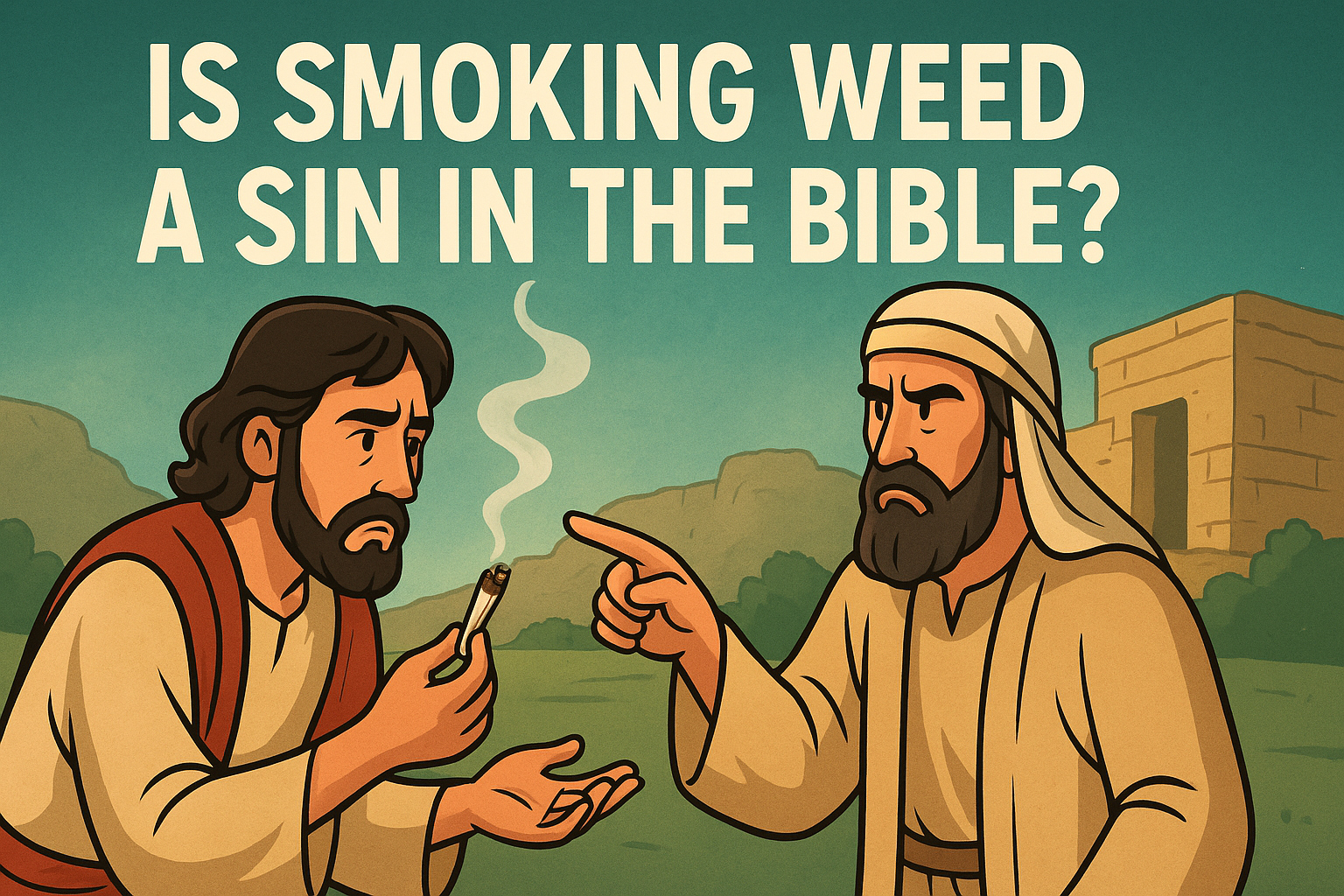
The question of whether smoking weed is a sin in the Bible is one that evokes a range of opinions and interpretations among Christians. As society evolves and attitudes toward marijuana change, it is essential to examine what the Bible says and how its teachings apply to this contemporary issue. This article will explore biblical principles, relevant passages, and the context surrounding the subject to better understand the question at hand.
To answer the question directly, the Bible does not explicitly mention smoking weed or marijuana. However, it does provide principles that can guide Christians in making decisions regarding its use. The key is to consider the implications of using marijuana in light of Scripture, personal convictions, and the impact on oneself and others.
Understanding the Bible’s Silence on Marijuana
One of the first things to note is that the Bible was written in a context where marijuana, as we know it today, was not a common topic. While there are references to various plants and substances, the specific mention of marijuana does not appear. Therefore, we must look at the broader biblical principles that can apply to its use.
Principles of Stewardship and Self-Control
The Bible teaches the importance of stewardship over our bodies and lives. In 1 Corinthians 6:19-20, Paul writes, “Don’t you realize that your body is the temple of the Holy Spirit, who lives in you and was given to you by God? You do not belong to yourself, for God bought you with a high price. So you must honor God with your body.” This passage emphasizes the need to treat our bodies with respect and to avoid practices that may harm us.
Additionally, Galatians 5:22-23 speaks of the fruits of the Spirit, which include self-control. Engaging in any substance that may impair our judgment or lead to a lack of self-control can be seen as contradicting this biblical principle. If smoking weed leads to behaviors that are not in line with a Christian lifestyle, it may be considered problematic.
Substance Use and the Impact on Others
Another significant principle in the Bible is the impact our actions have on others. Romans 14:13-21 discusses how we should be mindful of our behavior and how it may affect our fellow believers. The passage encourages believers to avoid causing others to stumble in their faith. If smoking weed could lead someone else to struggle with their convictions or cause them to view the Christian faith negatively, it may be wise to refrain from it.
Legal Considerations
In many places, the legality of marijuana varies. Romans 13:1-2 teaches that Christians are to submit to governing authorities. If marijuana use is illegal in a particular area, then using it would not only violate the law but could also reflect poorly on one’s witness as a Christian. Therefore, considering the legal implications of marijuana use is an essential factor in determining whether it aligns with biblical principles.
Health Considerations
Another aspect to consider is the health implications of smoking weed. The Bible encourages us to care for our bodies, and using substances that could lead to addiction or health problems may not honor that principle. 1 Corinthians 10:31 states, “So whether you eat or drink, or whatever you do, do it all for the glory of God.” If smoking weed detracts from one’s ability to serve God or leads to negative consequences, it may not be advisable.
Personal Convictions and the Role of the Holy Spirit
Ultimately, the decision to smoke weed may come down to personal conviction and guidance from the Holy Spirit. In Romans 14:22, Paul writes, “Blessed are those who don’t feel guilty for doing something they have decided is right.” If a person feels at peace about their decision and believes it does not contradict biblical principles, they may choose to partake. However, if there is uncertainty or guilt, it may be wise to abstain.
Conclusion on the Biblical Perspective
In summary, while the Bible does not explicitly label smoking weed as a sin, it does provide various principles that can guide individuals in making their decision. Factors such as stewardship of the body, the impact on others, legal considerations, health implications, and personal convictions all play a role in discerning whether the use of marijuana aligns with a Christian lifestyle. As with many issues of faith, it is crucial to seek wisdom and guidance through prayer and the counsel of mature believers.
Exploring Biblical Principles of Wisdom and Discernment
When considering whether smoking weed is a sin, it is crucial to reflect on the biblical principles of wisdom and discernment. Proverbs is rich with advice on seeking wisdom in life choices. Proverbs 3:5-6 encourages believers to trust in the Lord with all their heart and not rely solely on their own understanding. Instead, they should acknowledge God in all their ways, and He will direct their paths. This principle suggests that any decision, including the use of marijuana, should be approached with prayerful consideration and a desire for God’s guidance.
Additionally, James 1:5 states that if anyone lacks wisdom, they should ask God, who gives generously. This promise underscores the importance of seeking divine insight when faced with decisions that may not have clear biblical directives. Engaging in prayer and seeking the counsel of trusted Christian friends can provide clarity and direction regarding smoking weed.
The Role of Cultural Context and Societal Norms
Understanding the cultural context surrounding marijuana use is another essential factor. In some cultures, marijuana is viewed as a recreational substance, while in others, it may be associated with medicinal benefits. The Bible teaches that believers should not conform to the patterns of this world (Romans 12:2), which indicates that Christians must critically evaluate societal norms and practices in light of Scripture.
While cultural acceptance of marijuana might increase, Christians are called to a higher standard. The question then becomes whether embracing this cultural norm aligns with biblical values and the pursuit of holiness. It is essential to discern whether the motivations behind using marijuana are rooted in a desire for pleasure, escape, or social acceptance, which may lead to sinful behavior.
Considering the Purpose of Use
Another significant aspect to examine is the purpose behind using marijuana. For some, it may be used for medicinal reasons, such as managing chronic pain or anxiety. In this context, the use of marijuana may align with the biblical principle of seeking healing and taking care of one’s health. However, it is crucial to consider if the use of marijuana is done responsibly and under the guidance of a healthcare professional.
In contrast, if marijuana is used solely for recreational purposes or to alter one’s state of mind, one must evaluate whether this aligns with the call to live a life that glorifies God. In 1 Peter 2:11, believers are reminded to abstain from sinful desires that wage war against the soul. If smoking weed leads to behaviors that compromise one’s witness or spiritual integrity, it may be wise to reconsider its use.
Addressing Addiction and Dependency
Another critical consideration is the risk of addiction and dependency associated with marijuana use. The Bible speaks about the importance of self-control and the need to avoid anything that may ensnare us. 1 Corinthians 6:12 states, “I have the right to do anything,” you say, “but not everything is beneficial.” This verse highlights that while something may be permissible, it may not be beneficial or wise. If smoking weed leads to a dependency that hampers one’s ability to live freely and fully for Christ, it could be a cause for concern.
Moreover, addiction can impact relationships, work, and one’s overall spiritual life. If the use of marijuana begins to take precedence over one’s relationship with God and others, it may be time to reconsider its role in one’s life. Seeking support from fellow believers or professional help can be essential in addressing any struggles with substance use.
Engaging with the Community of Believers
Engaging with the community of believers can provide valuable insight when grappling with the question of smoking weed. The Bible emphasizes the importance of fellowship and accountability among Christians. Hebrews 10:24-25 encourages believers to spur one another on toward love and good deeds and not to give up meeting together.
Discussing the topic with trusted friends, mentors, or church leaders can help provide clarity and perspective. They may offer insights or experiences that can assist in making a well-informed decision. Additionally, being part of a community can help in holding one another accountable regarding lifestyle choices and ensuring that actions align with biblical teachings.
Conclusion: A Personal Journey of Faith
In conclusion, determining whether smoking weed is a sin involves a multifaceted approach that considers biblical principles, personal convictions, and the impact on oneself and others. The Bible may not explicitly mention marijuana, but its teachings on stewardship, self-control, wisdom, and community provide a framework for making informed decisions. Ultimately, it is a personal journey of faith that requires prayer, discernment, and openness to the leading of the Holy Spirit. Christians are called to live in a way that honors God and reflects His love to those around them, and engaging thoughtfully with the question of marijuana use is part of that journey.