
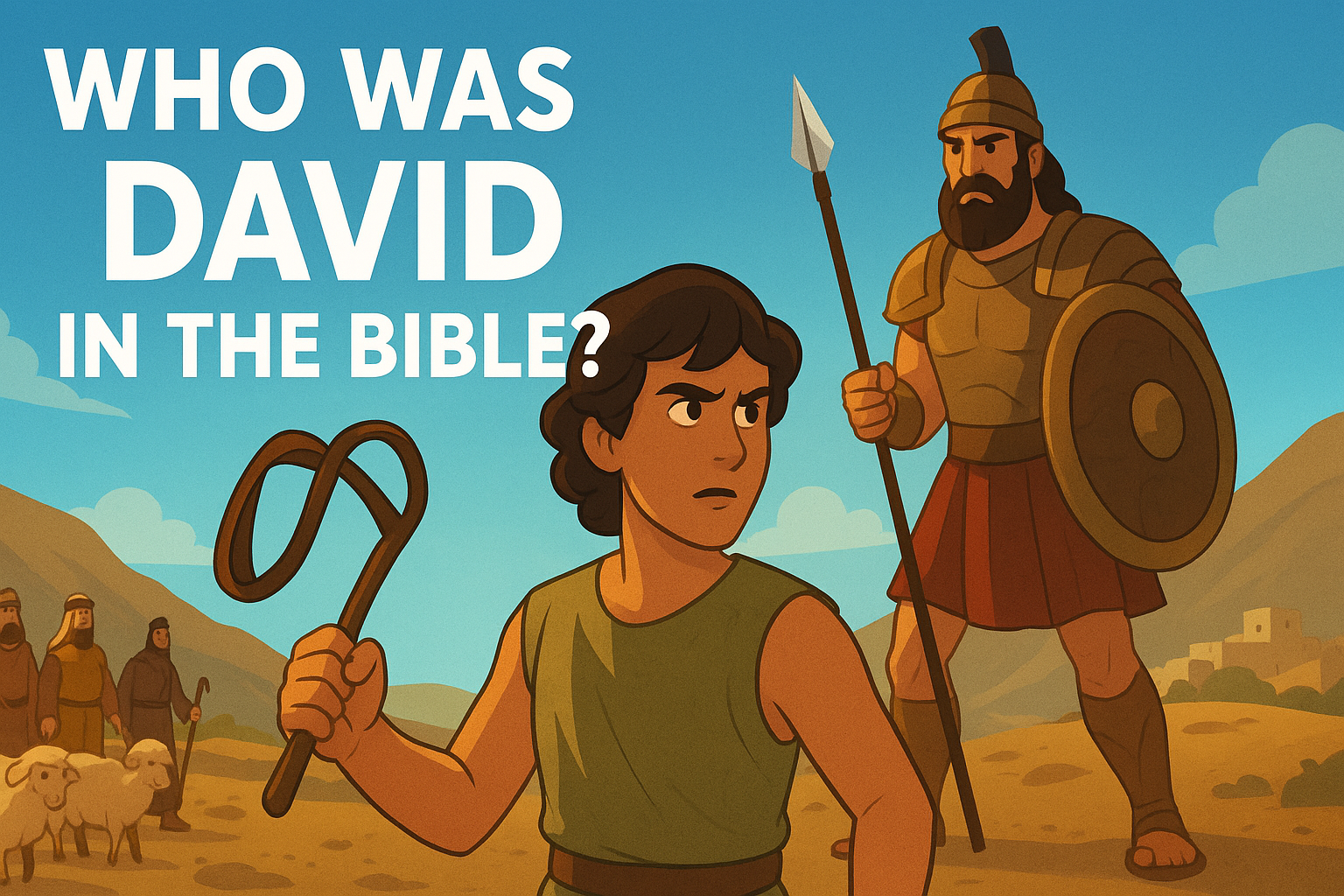
David is one of the most prominent figures in the Bible, known for his complex character and profound impact on the history of Israel. His life story intertwines themes of faith, leadership, sin, and redemption, making him a central character in both the Old and New Testaments. In this article, we will explore who David was, his significant accomplishments, and his lasting legacy in biblical history.
David was the second king of Israel, succeeding Saul, and is often remembered as a “man after God’s own heart” (1 Samuel 13:14). His journey from a humble shepherd to a revered monarch is detailed primarily in the books of 1 and 2 Samuel. David’s life is marked by his deep faith, musical talent, military prowess, and profound moral struggles.
Early Life and Anointing
David was the youngest son of Jesse, a farmer from Bethlehem. His early life was spent tending sheep, which played a significant role in shaping his character and skills. In 1 Samuel 16:1-13, God instructs the prophet Samuel to anoint a new king to replace Saul, who had fallen out of favor with God. Samuel visits Jesse’s household and, after seeing all of Jesse’s older sons, he is led to anoint David, who was still a boy at the time. This anointing set the stage for David’s future leadership.
David and Goliath
One of the most famous stories involving David is his battle with Goliath, the Philistine giant. This account is found in 1 Samuel 17. The Israelites were terrified of Goliath, who challenged them to send out a champion to fight him. Young David, filled with faith in God, volunteered to face the giant. With just a sling and five stones, David defeated Goliath, declaring that the battle belonged to the Lord. This victory not only showcased David’s bravery but also solidified his reputation as a warrior and leader among the Israelites.
David’s Rise to Power
After defeating Goliath, David became a celebrated hero in Israel. However, his rise to power was not without challenges. King Saul, initially supportive of David, became jealous of his popularity and sought to kill him. David spent years fleeing from Saul, during which he gathered a group of loyal followers and demonstrated remarkable leadership skills. His time in hiding is chronicled in 1 Samuel 21-31, showcasing his reliance on God during difficult circumstances.
Becoming King
Following Saul’s death in battle, David was anointed king over Judah (2 Samuel 2:1-4). Later, he became king over all Israel, uniting the tribes under his leadership. His reign is often noted for its military successes, expansion of territory, and establishment of Jerusalem as the political and spiritual center of Israel. David’s decision to bring the Ark of the Covenant to Jerusalem is a pivotal moment in his kingship, symbolizing God’s presence among His people (2 Samuel 6).
David’s Personal Struggles
Despite his many accomplishments, David’s life was also marked by personal failures. One of the most significant events was his adultery with Bathsheba, the wife of Uriah the Hittite. This incident, detailed in 2 Samuel 11, led to Uriah’s death in battle after David orchestrated his murder to cover up the sin. The prophet Nathan confronted David about his actions, leading to a moment of repentance (2 Samuel 12:1-13). This story highlights the complexity of David’s character—his ability to lead and inspire, coupled with his moral failings.
Repentance and Restoration
Following his sin with Bathsheba, David wrote Psalm 51, a heartfelt expression of repentance. In this psalm, he acknowledges his wrongdoings and pleads for God’s mercy and forgiveness. His genuine remorse and desire for restoration demonstrate his deep relationship with God, despite his flaws. David’s life serves as a reminder of the possibility of redemption, emphasizing that even those who fail can turn back to God and be restored.
Legacy and Influence
David’s legacy extends far beyond his reign as king. He is credited with composing many of the Psalms, which have become central to Jewish and Christian worship. His life and experiences are often referenced in the New Testament, where Jesus is referred to as the “Son of David,” highlighting the messianic connection between David and Christ (Matthew 1:1).
David is also remembered for his role in establishing the Davidic covenant, where God promised that his lineage would endure forever (2 Samuel 7:12-16). This promise has significant theological implications, as it points to the coming of the Messiah through David’s line.
In summary, David was a multifaceted figure whose life encompassed triumph and tragedy, faith and failure. His story is a testament to the complexities of human nature and the enduring grace of God. The biblical narrative surrounding David offers rich insights into leadership, repentance, and the nature of God’s covenant with His people.
David’s Family and Relationships
David’s family life was as complex as his leadership journey. He had multiple wives, including Michal, Abigail, and Bathsheba, and several children, whose stories also contribute to the biblical narrative. His relationships with his family were often tumultuous and filled with conflict.
David and Michal
Michal, Saul’s daughter, was David’s first wife. Their relationship began with love but ended in estrangement. Michal helped David escape from her father, Saul, but later, when David danced before the Lord as the Ark of the Covenant was brought to Jerusalem, Michal criticized him. This led to a rift between them, illustrating the challenges David faced even within his personal life (2 Samuel 6:16-23).
David and His Children
David’s relationships with his children were fraught with difficulties. His son Amnon committed a grievous sin against his half-sister Tamar, leading to familial discord. Absalom, Tamar’s brother, avenged her by killing Amnon, which resulted in Absalom rebelling against David (2 Samuel 13-18). This rebellion caused significant sorrow for David and highlighted the consequences of sin within his own family.
The tragic events surrounding David’s children serve as a reminder of the far-reaching effects of his earlier decisions and moral failures, emphasizing that leaders are not exempt from the consequences of their actions.
David’s Spiritual Life
David’s faith was central to his identity as both a leader and a person. He is often depicted as a man of prayer, seeking God’s guidance in both personal and national matters. His psalms reflect his deep spiritual life, covering a range of emotions from despair to joy, and expressing his reliance on God in various situations.
David as a Worship Leader
In addition to being a king and warrior, David was a skilled musician. He played the harp to soothe King Saul when the latter was tormented by an evil spirit (1 Samuel 16:23). This musical talent not only showcased his artistic abilities but also played a crucial role in his worship and connection with God. David’s psalms remain an essential part of worship in both Judaism and Christianity, reflecting his heart for God and his desire to lead others in praise.
Theological Significance of David’s Psalms
The Psalms attributed to David address various themes, including lament, thanksgiving, and praise. Many Christians turn to these texts for comfort and inspiration, highlighting David’s legacy as not just a king but also a spiritual leader. For example, Psalm 23, often referred to as the Shepherd’s Psalm, encapsulates David’s understanding of God as a protector and guide, resonating with believers across generations.
David’s Failures and Their Consequences
While David is celebrated for his faith and leadership, his life also serves as a cautionary tale about the consequences of sin. His affair with Bathsheba and the subsequent murder of Uriah illustrate how even the most faithful can fall into temptation. The repercussions of David’s sin affected not only him but also his family and the nation of Israel.
The Death of David’s Child
As part of the consequences of his actions with Bathsheba, David faced the death of their first child. This moment of profound grief is detailed in 2 Samuel 12:15-23. David’s response to this tragedy reveals his understanding of God’s sovereignty and his humility before the Lord, showcasing his character even in the depths of sorrow.
The Davidic Covenant and Its Implications
The Davidic Covenant, established in 2 Samuel 7, is one of the key theological aspects of David’s legacy. In this covenant, God promises that David’s lineage will endure forever, ultimately pointing to the coming of Jesus Christ, who is often referred to as the “Son of David.” This covenant is foundational in understanding the messianic prophecies throughout the Old Testament and their fulfillment in the New Testament.
Messianic Expectations
The expectation of a messiah from David’s line was a source of hope for the Israelites. In the New Testament, Jesus’ genealogy emphasizes this connection, affirming that He fulfills the promise made to David. This underscores the significance of David’s lineage in God’s redemptive plan for humanity.
Lessons from David’s Life
David’s life offers numerous lessons for believers today. His journey illustrates the importance of faith, the reality of human frailty, and the power of repentance. David’s story encourages us to seek God earnestly, acknowledge our shortcomings, and embrace the grace that is available to us.
Questions for Reflection
- What does David’s story teach us about leadership and humility?
- How can we apply David’s example of repentance in our own lives?
- In what ways can we cultivate a deeper relationship with God as David did?
- How does understanding the Davidic Covenant enhance our view of Jesus as the Messiah?
Conclusion: David’s Enduring Impact
David’s life is a rich tapestry of faith, failure, and redemption. His story serves as a reminder that God can use imperfect people for His purposes. Through David, we see the complexities of human nature and the unwavering grace of God. As we reflect on David’s journey, may we find inspiration to pursue a deeper relationship with God and to live out our faith with courage and humility.