
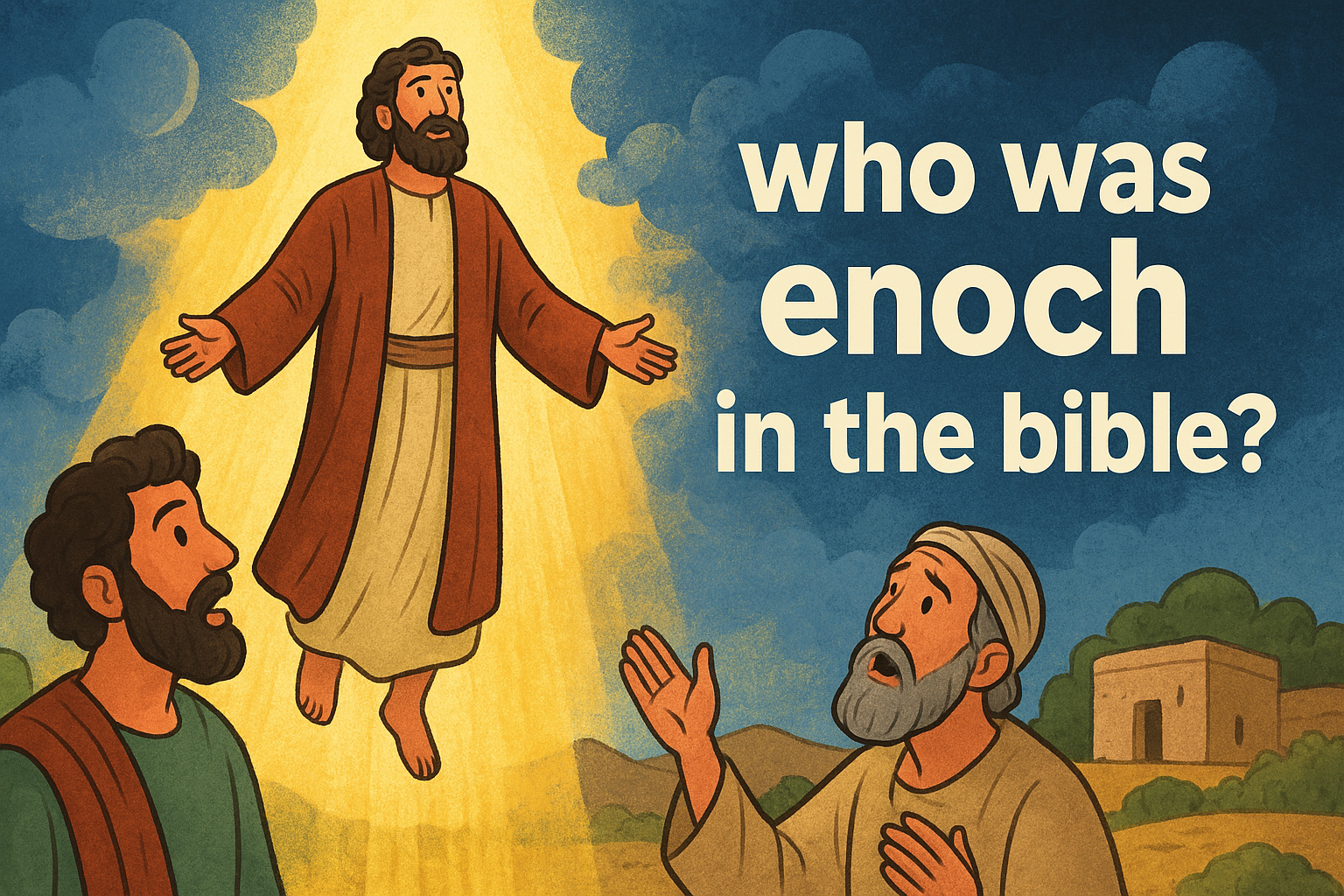
The figure of Enoch in the Bible is intriguing and often sparks curiosity among readers. His story, though brief, is filled with significant themes of faith, obedience, and divine favor. This article will explore who Enoch was, his role in biblical history, and the lessons we can learn from him.
Enoch is a prominent figure found in the genealogies of the Old Testament, specifically in the book of Genesis. He is mentioned in Genesis 5:21-24, where it states that he was the son of Jared and the father of Methuselah. Enoch is notable for his remarkable relationship with God, which is highlighted in the Scriptures. Genesis 5:24 indicates that “Enoch walked with God; then he was no more, because God took him away.” This passage suggests a close and intimate fellowship with God, setting Enoch apart from many others in the genealogical list.
Enoch’s Lineage and Historical Context
To understand Enoch’s significance, it’s essential to consider his lineage. He was the seventh generation from Adam, born to Jared, and his son Methuselah is famously known for living 969 years, making him the longest-lived human recorded in the Bible. Enoch’s life is situated in a time when humanity was increasingly turning away from God, leading to widespread wickedness. The genealogy in Genesis 5 serves as a contrast to the growing corruption, showcasing Enoch as a beacon of righteousness.
The Meaning of Enoch’s Name
The name Enoch itself carries meaning that adds depth to his character. In Hebrew, Enoch (חֲנוֹךְ) means “dedicated” or “trained.” This name reflects the devotion Enoch had toward God and his commitment to living a life that honored Him. The significance of names in the Bible often provides insight into a person’s character or destiny, and Enoch’s name certainly aligns with his exemplary faith.
Enoch’s Walk with God
One of the most remarkable aspects of Enoch’s life is his relationship with God. The phrase “walked with God” appears in Genesis 5:24 and signifies a deep, personal relationship that involves trust, obedience, and companionship. This phrase is used elsewhere in Scripture to describe others who share a similar close relationship with God, such as Noah (Genesis 6:9). Enoch’s ability to walk with God in a corrupt world speaks volumes about his character and faith.
The Nature of Enoch’s Faith
Enoch’s faith is further elaborated in the New Testament, specifically in Hebrews 11:5-6. This passage states that “by faith Enoch was taken from this life, so that he did not experience death; he could not be found, because God had taken him away.” The Scripture emphasizes that Enoch pleased God through his faith, which is a crucial element in the life of any believer. Enoch’s faith was not passive; it was an active trust in God that led to a righteous life.
Enoch’s Prophetic Role
In addition to his exemplary walk with God, Enoch is also recognized for his prophetic role. The book of Jude (Jude 1:14-15) references a prophecy attributed to Enoch, mentioning that he foretold the coming judgment of God upon the ungodly. This prophecy underscores Enoch’s awareness of divine justice and the importance of living a life aligned with God’s will. Jude’s inclusion of Enoch in his epistle highlights the significance of Enoch’s message and serves as a reminder of God’s ultimate authority over humanity.
Enoch in Other Texts
While Enoch’s story is primarily found in the canonical Scriptures, various other texts and traditions mention him. The most notable of these is the Book of Enoch, an ancient Jewish text that expands on Enoch’s life and teachings. Though not included in the biblical canon, this book provides rich narratives about Enoch’s experiences, including his journeys to heaven and revelations about the future. However, it is important to approach these texts critically, as they contain both valuable insights and speculative elements not found in the Bible.
Lessons from Enoch’s Life
Enoch’s life offers several lessons for believers today. Firstly, his example of walking with God encourages individuals to cultivate a personal relationship with the Creator. This relationship is built on faith, obedience, and a desire to align one’s life with God’s will. Enoch’s faithfulness in a corrupt world serves as a reminder that it is possible to live righteously, even when surrounded by negativity and sin.
- Faithfulness in Adversity: Enoch’s steadfastness in his faith amidst a sinful generation is a powerful example for Christians facing challenges today.
- The Importance of Relationship: Enoch’s close walk with God teaches the value of developing a personal relationship with Him through prayer and obedience.
- Awareness of Judgment: Enoch’s prophecy serves as a reminder of God’s justice and the importance of living a life that reflects His righteousness.
In summary, Enoch stands out as a significant biblical figure known for his deep relationship with God, his faithfulness, and his prophetic insights. His story encourages believers to pursue a close walk with God and to live out their faith actively.
The Significance of Enoch in Biblical Theology
Enoch’s significance extends beyond his individual story; he plays a vital role in the broader narrative of biblical theology. His life and actions illustrate key themes that resonate throughout Scripture, such as faith, obedience, and the consequences of sin. Enoch’s unique relationship with God provides a foreshadowing of the ultimate restoration that believers anticipate through Christ.
Foreshadowing of Christ
Enoch’s ascension into heaven without experiencing death is a profound event that resonates with Christian eschatology. It serves as a precursor to the promise of eternal life through Jesus Christ. In John 3:13, it is stated that no one has ascended into heaven except the one who descended from heaven, the Son of Man. Enoch’s experience can be viewed as a type of the resurrection and ascension that believers hope for, highlighting the transformative power of a life devoted to God.
Enoch in the New Testament
Enoch is mentioned in several New Testament passages, further emphasizing his importance in the Christian faith. Apart from the references in Hebrews and Jude, Enoch is also significant in the context of faith as presented in the book of Revelation. The themes of judgment and divine retribution echo Enoch’s prophetic warnings, linking his ancient message to the final outcomes described in Revelation.
Enoch’s Legacy in Early Christianity
In the early Christian church, Enoch’s figure became symbolic of the righteous who would be taken up to God. His story inspired various theological interpretations and artistic representations throughout church history. Early Church Fathers, such as Irenaeus and Tertullian, referenced Enoch in discussions about the nature of prophetic revelation and the anticipation of the end times. Enoch’s legacy encourages believers to remain steadfast in faith and hopeful in God’s promises.
Contemplating Enoch’s Example Today
As modern believers reflect on Enoch’s life, several contemplative questions arise. These questions can help deepen one’s understanding of faith and inspire personal growth.
- How can I cultivate a deeper relationship with God? Enoch’s example prompts believers to seek a more profound connection with God through prayer, worship, and obedience.
- What does it mean to “walk with God” in today’s world? Understanding the nature of a relationship with God in the context of contemporary challenges is vital for living out one’s faith.
- In what ways can I be a voice of righteousness in my community? Enoch’s prophetic role challenges believers to stand for truth and justice, even when it is unpopular.
Enoch’s Influence on Jewish Tradition
In addition to his role in Christianity, Enoch holds a prominent place in Jewish tradition. Various Jewish texts, including the Talmud and other apocryphal writings, expand upon his character and contributions. The Book of Enoch, while not included in the canonical Scriptures, provides insights into ancient Jewish thought regarding angels, the afterlife, and the nature of God. This document illustrates Enoch as a mediator between God and humanity, further solidifying his significance within Jewish mysticism.
Lessons from Enoch for Jewish Believers
Jewish believers can draw from Enoch’s example by emphasizing the importance of faithfulness and ethical living. His life serves as a reminder of the power of individual righteousness in the face of societal challenges. The themes found in Enoch’s story encourage believers to engage with their faith actively and to influence their communities positively.
Conclusion: Enoch’s Enduring Legacy
Enoch’s life and legacy remain relevant for both Jewish and Christian believers today. His example of walking closely with God, living righteously, and embracing the prophetic call serves as a timeless model for faith. Enoch’s story encourages believers to pursue a deep relationship with God, to embody their faith through action, and to remain hopeful in the face of adversity. Ultimately, Enoch’s enduring legacy challenges us to reflect on our relationship with God and to seek a life that honors Him in all aspects.