
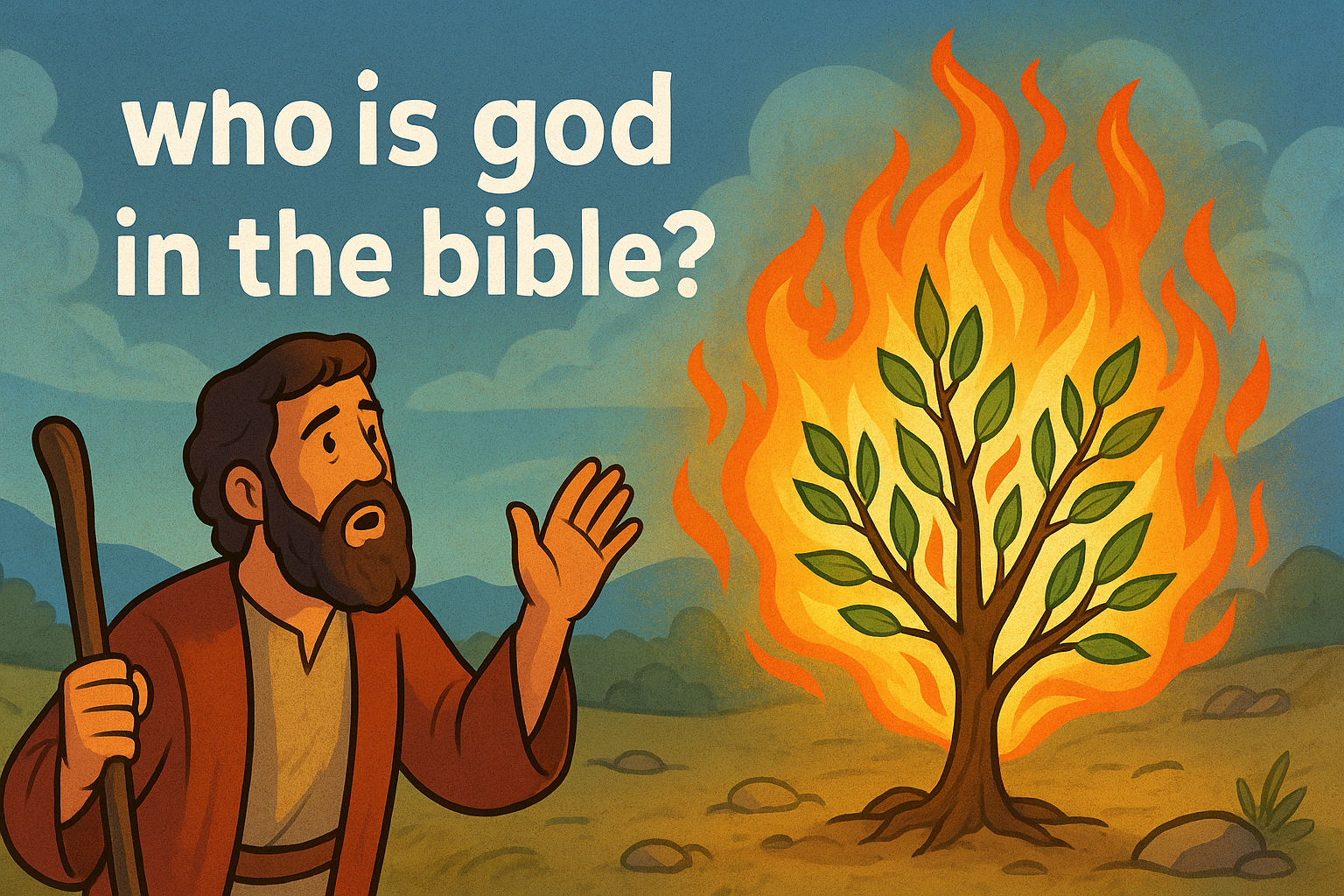
The question of who God is in the Bible has been asked for centuries and continues to inspire deep reflection and discussion among believers and scholars alike. The Bible presents a complex, multifaceted view of God, revealing His nature, character, and relationship with humanity. Understanding who God is requires examining various attributes and roles depicted throughout the Scriptures.
At the core of the Bible, God is portrayed as the Creator of the universe, the sustainer of life, and the ultimate source of truth and morality. He is both transcendent, existing beyond the physical realm, and immanent, actively involved in the world and in human affairs. Different passages provide insight into His nature, emphasizing His holiness, love, justice, and mercy.
God as Creator
In the opening chapters of Genesis, God is introduced as the Creator of all things. Genesis 1:1 states, “In the beginning God created the heavens and the earth.” This foundational verse affirms that God is the origin of everything that exists. The creation narrative continues to describe how God shaped the world, bringing order out of chaos and life out of nothing.
Throughout Scripture, God’s creative power is emphasized. In Psalm 19:1, it is written, “The heavens declare the glory of God; the skies proclaim the work of his hands.” This verse illustrates not only God’s role as Creator but also how creation itself reflects His majesty and creativity. Understanding God as Creator sets the stage for recognizing His authority over all creation and His sovereign will.
God’s Character
The Bible reveals several key attributes of God that shape our understanding of who He is. Among these attributes are holiness, love, justice, and mercy.
Holiness
God’s holiness is a central theme in both the Old and New Testaments. In Isaiah 6:3, the seraphim proclaim, “Holy, holy, holy is the Lord Almighty; the whole earth is full of his glory.” This triple repetition emphasizes the perfection and purity of God. His holiness means that He is entirely separate from sin and moral imperfection.
Love
Equally important is God’s nature as loving. In 1 John 4:8, it states, “Whoever does not love does not know God, because God is love.” This declaration emphasizes that love is not just an attribute of God but is intrinsic to His very being. God’s love is demonstrated through His actions, most notably in the sending of His Son, Jesus Christ, for the salvation of humanity.
Justice and Mercy
God is also depicted as a just God who upholds righteousness. In Psalm 89:14, it is written, “Righteousness and justice are the foundation of your throne; love and faithfulness go before you.” This indicates that God’s governance is characterized by fairness and integrity.
At the same time, God’s mercy is equally emphasized. In Exodus 34:6-7, God reveals Himself to Moses, saying He is “compassionate and gracious, slow to anger, abounding in love and faithfulness.” This duality of justice and mercy reflects the complexity of God’s character, showing that while He is just and must address sin, He is also gracious and desires reconciliation with humanity.
God’s Relationship with Humanity
The Bible presents God as seeking a personal relationship with humanity. From the very beginning, God desires to walk with His creation. In Genesis, He communes with Adam and Eve in the Garden of Eden, establishing a relationship characterized by intimacy and trust.
Throughout the Old Testament, God enters into covenants with His people, such as with Noah, Abraham, and Moses. These covenants illustrate His commitment and willingness to engage with humanity. For example, in Exodus 19:5-6, God states, “If you obey me fully and keep my covenant, then out of all nations you will be my treasured possession.” This shows that God desires a people set apart for Himself, emphasizing His relational nature.
God in the New Testament
The New Testament reveals a profound development in understanding God through the person of Jesus Christ. John 1:1 affirms that “the Word was God,” identifying Jesus as divine. In Jesus, God becomes incarnate, providing a tangible expression of His love and grace. Through Jesus’ teachings, miracles, and ultimately His sacrificial death and resurrection, believers witness the fulfillment of God’s desire for relationship and redemption.
Moreover, the New Testament introduces the concept of the Trinity, describing God as one being in three persons: Father, Son, and Holy Spirit. This doctrine emphasizes the relational aspect of God’s nature, as each person of the Trinity interacts in perfect unity and community.
God’s Sovereignty and Providence
Another significant aspect of God in the Bible is His sovereignty and providence. God is depicted as having ultimate control over the universe and its affairs. In Isaiah 46:9-10, God declares, “I am God, and there is no other; I am God, and there is none like me. I make known the end from the beginning.” This highlights His omniscience and omnipotence, assuring believers that nothing occurs outside of His will.
God’s providence means that He is actively involved in the lives of individuals and nations, orchestrating events for His purposes. Romans 8:28 reassures believers that “in all things God works for the good of those who love him.” This promise reflects God’s commitment to guiding and caring for those who are in relationship with Him.
God’s Communication and Revelation
Throughout the Bible, God communicates with humanity in various ways, revealing His nature and will. This revelation is progressive, starting with creation itself, moving through the patriarchs, prophets, and culminating in the person of Jesus Christ. Each method of communication serves to deepen humanity’s understanding of who God is.
Creation as Revelation
As noted earlier, creation speaks volumes about God’s existence and character. Romans 1:20 suggests that God’s invisible qualities, including His eternal power and divine nature, are evident in what has been made. This implies that observing the natural world can lead to a greater understanding of God’s majesty and authority.
Scripture as God’s Word
The Bible itself is considered the inspired Word of God, providing a written account of His dealings with humanity. 2 Timothy 3:16 affirms that “All Scripture is God-breathed,” indicating that the Bible is a direct communication from God to His people. Through the stories, laws, poetry, and prophecies contained in the Bible, readers gain insight into God’s character, His expectations, and His plans for humanity.
Jesus Christ as the Ultimate Revelation
In the New Testament, Jesus is portrayed as the ultimate revelation of God. Hebrews 1:1-2 states that in the past, God spoke through the prophets, but in these last days, He has spoken through His Son. Jesus embodies God’s love, grace, and truth, providing a clear picture of God’s nature. Through His life and teachings, Jesus invites humanity into a deeper understanding of God’s heart and intentions.
The Nature of God’s Love
While God’s love has been mentioned, it deserves further exploration. God’s love is not merely an emotion but a defining characteristic that drives His actions. It is unconditional, sacrificial, and transformative. God’s love is demonstrated profoundly through the life of Jesus, especially in His willingness to suffer and die for humanity’s sins, as stated in John 3:16, “For God so loved the world that he gave his one and only Son.”
This self-giving love calls believers to respond by loving others. The command to love one another is a recurring theme in Jesus’ teachings, emphasizing that love is the highest expression of God’s nature and the essence of the Christian life.
The Concept of the Trinity
The doctrine of the Trinity is foundational to understanding who God is in the Bible. It asserts that there is one God in three persons: God the Father, God the Son (Jesus Christ), and God the Holy Spirit. Each person is fully and equally God, yet there is only one divine essence. This mystery of the Trinity highlights the relational aspect of God, as each person interacts with the others in perfect unity.
The Trinity also informs Christian understanding of community and relationship. Just as the Father, Son, and Holy Spirit exist in a perfect relationship, believers are called to live in community with one another, reflecting God’s nature in their interactions.
God’s Desire for Relationship
God’s pursuit of a relationship with humanity is a central theme throughout the Bible. From the creation of Adam and Eve to the establishment of covenants and the sending of Jesus, God’s actions consistently demonstrate His desire for connection. He is not a distant deity but a personal God who longs for intimacy with His creation.
In the New Testament, Jesus invites individuals into a personal relationship with Him. In John 15:15, He refers to His followers as friends, indicating that God desires a close and personal bond with those who seek Him. This invitation extends to everyone, regardless of their past, emphasizing that God’s love and grace are available to all.
God’s Faithfulness and Promises
God’s faithfulness is another essential aspect of His character. Throughout the Bible, God makes promises to His people, and He is unwavering in fulfilling them. For example, in Deuteronomy 7:9, it is stated that God is faithful to keep His covenant and love for a thousand generations. This assurance enables believers to trust in God’s character and the certainty of His promises.
Moreover, understanding God’s faithfulness encourages believers to respond with faithfulness in their lives. As they experience God’s promises in their own lives, they are reminded to remain steadfast in their relationship with Him.
Conclusion: The Invitation of God
In summary, the Bible presents God as a multifaceted being whose attributes reveal His character and intentions. From being the Creator and sustainer of the universe to revealing Himself through Scripture and the person of Jesus Christ, God invites humanity into a personal relationship marked by love, grace, and faithfulness. Understanding who God is leads to a deeper appreciation of His sovereignty, justice, and mercy, shaping the lives of those who seek Him.
The question of who God is invites ongoing exploration and personal reflection. As believers engage with Scripture and experience God’s presence in their lives, they can grow in their understanding of His nature and deepen their relationship with Him. Ultimately, the journey of knowing God is a lifelong pursuit, filled with discovery, transformation, and the joy of being in communion with the Creator of all things.