
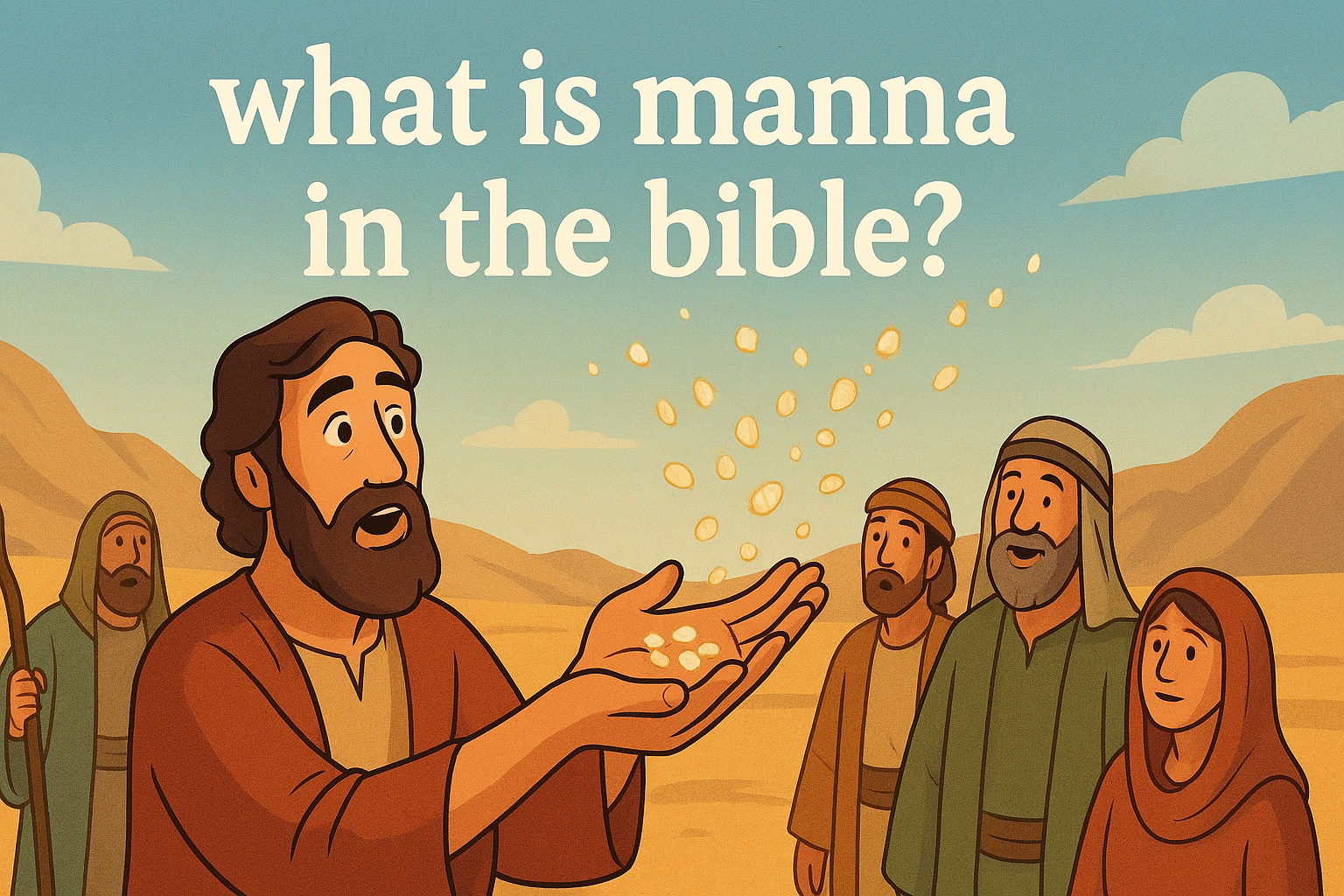
Manna is a significant element in the biblical narrative, particularly in the story of the Israelites’ journey through the wilderness after their escape from Egypt. It symbolizes God’s provision and sustenance during a time of uncertainty and hardship. In this article, we will explore what manna is, its origins, and its spiritual implications as described in the Scriptures.
In the Bible, manna is described as a miraculous food provided by God to the Israelites while they were wandering in the desert. This special sustenance appeared each morning, allowing the people to gather it for their meals. The term “manna” itself comes from the Hebrew phrase “man hu,” which means “What is it?” This reflects the Israelites’ confusion upon first encountering this strange substance. The story of manna is primarily found in the books of Exodus and Numbers.
The Origin of Manna
The account of manna begins in Exodus 16. After the Israelites had left Egypt and entered the wilderness, they quickly became dissatisfied with their situation. They complained to Moses and Aaron about the lack of food, reminiscing about the bread and meat they had in Egypt. In response to their grumbling, God promised to provide for them. He instructed Moses that He would rain down bread from heaven for the people.
As described in Exodus 16:4-5, God said, “I will rain down bread from heaven for you. The people are to go out each day and gather enough for that day.” This provision was a daily miracle, designed to teach the Israelites to rely on God for their needs. Each morning, a white, flaky substance covered the ground, which the people named manna. They collected it and prepared it for their meals.
Characteristics of Manna
Manna is described in several ways throughout the biblical text. In Exodus 16:31, it is said to be like coriander seed, white in color, and tasting like wafers made with honey. This description suggests that manna was not only a necessary sustenance but also had a pleasant taste. The Israelites were instructed to gather enough for each day, with an exception made for the Sabbath, when they were to gather a double portion the day before.
In Numbers 11:7-9, the people further describe manna as something that appears like dew on the ground. They were instructed to grind it and boil it, or to make cakes from it. This variety in preparation indicates that manna could be used in different ways to create meals that sustained the people during their long journey.
The Spiritual Significance of Manna
Manna holds profound spiritual significance beyond its physical sustenance. It serves as a symbol of God’s provision and faithfulness. The Israelites’ reliance on manna teaches a lesson about trusting God to meet their daily needs. In Deuteronomy 8:3, it is noted that God allowed the Israelites to hunger and then fed them with manna to show them that “man does not live on bread alone but on every word that comes from the mouth of the Lord.” This underscores the importance of spiritual nourishment alongside physical sustenance.
In the New Testament, Jesus references manna when discussing His own identity as the Bread of Life. In John 6:31-35, He reminds the crowd that their ancestors ate manna in the wilderness, but asserts that He is the true bread from heaven. Jesus emphasizes that those who come to Him will never be hungry or thirsty, drawing a direct connection between the physical provision of manna and the spiritual sustenance He provides.
Lessons from Manna
The story of manna offers several lessons for believers today. First, it illustrates God’s care and provision for His people. Just as He provided for the Israelites, He continues to meet the needs of those who trust in Him. Second, manna teaches the importance of daily dependence on God. The Israelites were instructed to gather only what they needed for each day, emphasizing the need for daily reliance on God’s grace and sustenance.
- Trust in God: The Israelites had to trust that God would provide for them each day, reinforcing the idea that faith is essential in the believer’s life.
- Obedience: Gathering the right amount of manna was an act of obedience. This highlights the importance of following God’s instructions in our lives.
- Contentment: The Israelites were reminded to be thankful for what God provided, teaching the value of contentment in all circumstances.
In summary, manna is a miraculous provision from God that sustained the Israelites during their wilderness journey. It symbolizes God’s faithfulness, the importance of daily dependence on Him, and serves as a precursor to the spiritual nourishment found in Jesus Christ. Understanding the significance of manna helps deepen our appreciation for God’s ongoing provision in our lives.
The Role of Manna in the Wilderness Journey
Manna was not just a food source; it played a crucial role in the Israelites’ spiritual and communal life during their time in the wilderness. As they journeyed through the desert, the daily gathering of manna became a routine that reinforced their dependence on God. This ritual was an opportunity for the Israelites to come together, fostering a sense of community as they shared in the experience of collecting and preparing their food.
The act of gathering manna each day also served as a reminder of God’s continuous presence and provision. Each morning, the people would wake up to find the ground covered with this miraculous food, reinforcing their need to look to God for sustenance. This dependence was a central theme throughout their journey, teaching them to trust in God’s timing and faithfulness.
Manna and the Sabbath
The instructions concerning manna also highlight the significance of the Sabbath. God commanded the Israelites to gather a double portion of manna on the sixth day, so they would have enough food for the Sabbath, a day of rest. This was a deliberate act to emphasize the importance of rest and worship in their lives. In Exodus 16:26, it states that no manna would fall on the Sabbath, reinforcing the idea that God desires His people to take time away from work to focus on their relationship with Him.
This principle of rest extends beyond just the Israelites; it is a key aspect of Christian practice today. The Sabbath serves as a reminder of the need for spiritual renewal and reflection, allowing believers to pause and remember God’s provision and grace in their lives.
Manna in Jewish Tradition
In Jewish tradition, manna is often viewed as a symbol of divine sustenance and mercy. It is commemorated in various religious practices and teachings. For example, during the Passover Seder, the unleavened bread represents the bread of affliction, connecting the Israelites’ experience of slavery in Egypt to their subsequent liberation and divine provision in the wilderness.
Moreover, the Talmud and other Jewish texts expand on the nature of manna, describing it as having multiple flavors, catering to the desires of those who ate it. This interpretation emphasizes God’s ability to meet not just the basic needs of His people but also their desires, highlighting His love and care.
Theological Implications of Manna
Manna serves as a profound theological symbol throughout Scripture. It represents not only God’s provision in a physical sense but also His spiritual sustenance through Christ. The New Testament parallels drawn between manna and Jesus illustrate a continuity in God’s redemptive plan. Jesus, as the Bread of Life, fulfills the ultimate need for nourishment that transcends physical hunger.
This connection invites believers to reflect on their spiritual hunger and the ways they seek fulfillment. Just as the Israelites needed manna to survive in the wilderness, Christians are called to seek spiritual nourishment from Christ. It challenges individuals to consider how they are feeding their souls in a world filled with distractions.
Questions for Reflection
As we contemplate the significance of manna, several questions arise that can deepen our understanding and application of its lessons:
- How do we recognize God’s provision in our daily lives? Are there specific instances where we can see His hand at work?
- In what ways can we cultivate a spirit of dependence on God, similar to the Israelites’ reliance on manna?
- How does the concept of spiritual nourishment play a role in our faith journey? Are we seeking fulfillment in Christ as the Bread of Life?
- What practices can we incorporate into our lives to honor the Sabbath and ensure we are taking time for spiritual renewal?
These questions invite a deeper exploration of how the story of manna can inform our faith and daily living. They challenge us to engage actively with our beliefs and seek a closer relationship with God.
Conclusion: Manna as a Timeless Reminder
Manna serves as a timeless reminder of God’s provision, faithfulness, and the importance of spiritual nourishment. The lessons derived from the Israelites’ experience in the wilderness continue to resonate today. Just as God provided for His people in a physical sense, He invites believers to seek Him for their spiritual needs through Jesus Christ, the true Bread of Life.
Understanding the significance of manna helps believers appreciate the ways God is actively working in their lives. It encourages a lifestyle of trust, obedience, and contentment, rooted in the assurance that God will always meet our needs. As we reflect on the journey of the Israelites and their dependence on manna, may we be inspired to deepen our faith and reliance on God in every aspect of our lives.