
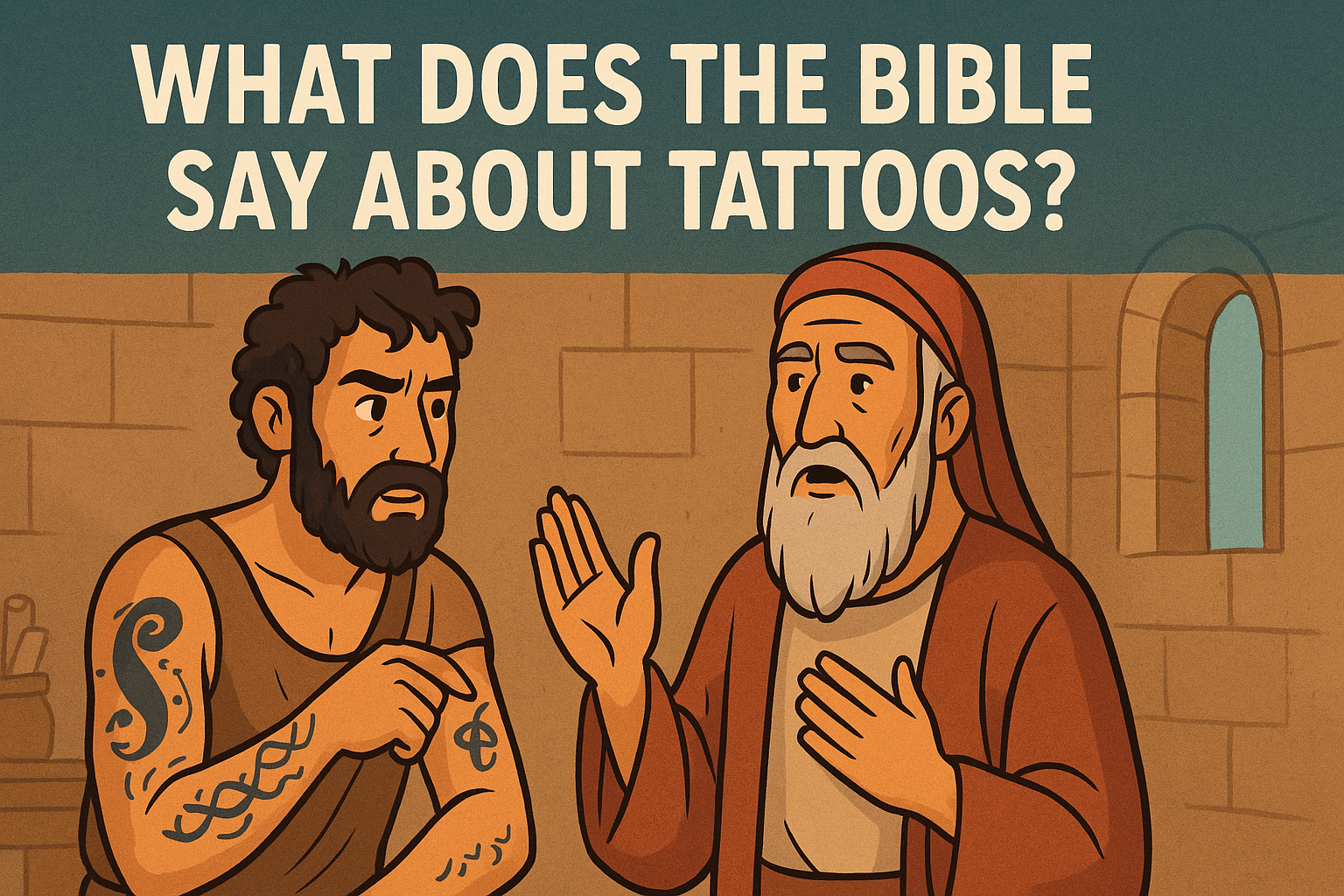
The question of whether tattoos are acceptable for Christians is one that often sparks debate. Some view tattoos as a form of self-expression, while others see them as contrary to biblical teachings. To understand what the Bible says about tattoos, it is essential to examine relevant scriptures and their context, as well as the historical and cultural background of the passages.
While the Bible does not provide a direct answer regarding tattoos, there is a notable verse that is frequently referenced: Leviticus 19:28. This verse states, “Do not cut your bodies for the dead, and do not mark your skin with tattoos. I am the Lord.” This passage raises questions about its applicability to modern-day tattooing and whether it is a prohibition meant for us today.
Understanding the Context of Leviticus 19:28
To fully grasp the implications of Leviticus 19:28, we must consider the context in which it was written. This verse is part of the Mosaic Law, given to the Israelites as guidelines for living in a way that honored God. The commands in Leviticus were aimed at setting the Israelites apart from their surrounding nations, many of which practiced various forms of body marking as part of pagan rituals and mourning practices.
In ancient cultures, tattoos were often associated with idol worship, mourning the dead, or other religious ceremonies. The prohibition in Leviticus was likely intended to prevent the Israelites from adopting these practices, which could lead them away from the worship of Yahweh. Therefore, the cultural context suggests that the concern was not merely about tattoos themselves but rather about the motivations and associations behind them.
New Testament Perspectives on Body Markings
When we move to the New Testament, there is no explicit mention of tattoos. However, there are several principles that can guide our understanding of body markings. One key scripture is 1 Corinthians 6:19-20, which reminds believers that their bodies are temples of the Holy Spirit. Paul writes, “You do not belong to yourself, for God bought you with a high price. So you must honor God with your body.” This passage emphasizes the importance of how we treat our bodies and suggests that any decision, including getting a tattoo, should be made with the intention of glorifying God.
Personal Conviction and Cultural Context
Another important aspect to consider is personal conviction. Romans 14 discusses the idea of Christian liberty and the importance of not causing others to stumble in their faith. While one person may feel comfortable getting a tattoo, another may feel it is inappropriate. Therefore, it is essential for each individual to seek God’s guidance and determine what is right for them, considering both their conscience and the potential impact on others.
Furthermore, cultural context plays a significant role in how tattoos are perceived today. In modern society, tattoos can carry various meanings. For some, they are a form of art, a way to express personal beliefs, or a tribute to loved ones. In other cultures, tattoos may still hold negative connotations. Understanding this variability is crucial when discussing tattoos within a Christian framework.
Historical Views on Tattoos
Throughout history, views on tattoos have evolved. In some Christian communities, tattoos were once viewed as taboo, associated with rebellion or a lack of morality. However, as society has changed, so too have perceptions. Today, many Christians have tattoos that symbolize their faith, such as verses, crosses, or religious imagery. These tattoos often serve as personal testimonies or reminders of their commitment to God.
It is also worth noting that many early Christians faced persecution, and tattoos were sometimes used as a mark of ownership or branding by others. This historical context can influence how tattoos are understood within the Christian community today.
Conclusion: A Matter of the Heart
Ultimately, the question of whether tattoos are acceptable in Christianity is less about the act of tattooing itself and more about the heart behind it. The Bible emphasizes the importance of our intentions and motivations. If a tattoo is acquired with the purpose of glorifying God and does not contradict one’s personal convictions, it may be considered acceptable. However, if it stems from a desire to conform to societal pressures or to rebel against God’s standards, it may warrant further reflection.
In summary, while Leviticus 19:28 is often cited as a prohibition against tattoos, understanding its context reveals a more nuanced perspective. The New Testament encourages believers to honor God with their bodies and to seek personal conviction in their choices. Thus, the decision to get a tattoo should be approached thoughtfully and prayerfully.
Exploring the Symbolism of Tattoos
Tattoos can carry deep personal significance for many individuals. They often symbolize important life events, beliefs, or values. For Christians, tattoos may serve as a public declaration of faith. This raises the question: what do these symbols represent in the context of one’s relationship with God? When considering a tattoo, it can be helpful to reflect on the message it conveys. Does it honor God? Does it share a testimony of faith? These questions can guide believers in making choices that align with their spiritual values.
Community and Accountability
Another critical aspect of the tattoo discussion is the role of community and accountability. In many Christian traditions, the church community plays a vital role in guiding individual choices. Engaging in conversations with trusted mentors or spiritual leaders can provide valuable perspectives on the decision to get a tattoo. It is essential to consider how tattoos may be viewed within one’s church or community. Will it be a source of encouragement or potential conflict? Seeking counsel can help navigate these dynamics and ensure that personal choices align with the broader values of the community.
Health and Safety Considerations
Beyond spiritual and cultural implications, practical concerns about health and safety should also be addressed. The process of getting a tattoo involves needles and ink, which can pose risks if not done in a sterile environment. Christians are called to be good stewards of their bodies, which includes making informed decisions about their health. Ensuring that a reputable and hygienic tattoo parlor is chosen can help mitigate these risks. Additionally, understanding the long-term implications of a tattoo, including potential regret or changes in personal beliefs, is important.
Reflection on Scripture and Personal Beliefs
When contemplating tattoos, it can be helpful to engage in personal reflection and prayer. Scripture encourages believers to seek God’s wisdom in all decisions (James 1:5). This can include asking questions such as: What does this tattoo mean to me? How does it reflect my faith? Am I pursuing this for the right reasons? Such introspection can lead to a more profound understanding of one’s motivations and the potential impact of a tattoo on one’s spiritual journey.
Addressing Misconceptions and Stereotypes
As tattoos have become more mainstream, certain stereotypes persist within some Christian circles. Tattoos may still be associated with rebellion, immorality, or a rejection of traditional values. It is essential to address these misconceptions and recognize that tattoos can be a legitimate form of self-expression for many believers. Engaging in open dialogue about tattoos can help dispel judgment and foster understanding within the church community. Every individual’s journey is unique, and it is crucial to approach this topic with grace and empathy.
Conclusion: Navigating the Tattoo Journey
The question of whether tattoos are appropriate for Christians invites a complex exploration of scripture, personal conviction, and cultural context. While the Bible offers limited guidance, it emphasizes the importance of the heart and intention behind our choices. As believers navigate the decision to get a tattoo, it is essential to consider the symbolism, community perspectives, health implications, and personal beliefs involved in this choice.
Ultimately, whether one chooses to tattoo their skin or not, the focus should remain on honoring God in all aspects of life. Tattoos can be a way to express faith, identity, and personal stories, but they must be approached thoughtfully and prayerfully. By seeking God’s wisdom and being mindful of the impact on oneself and others, Christians can make decisions that align with their faith journey.