
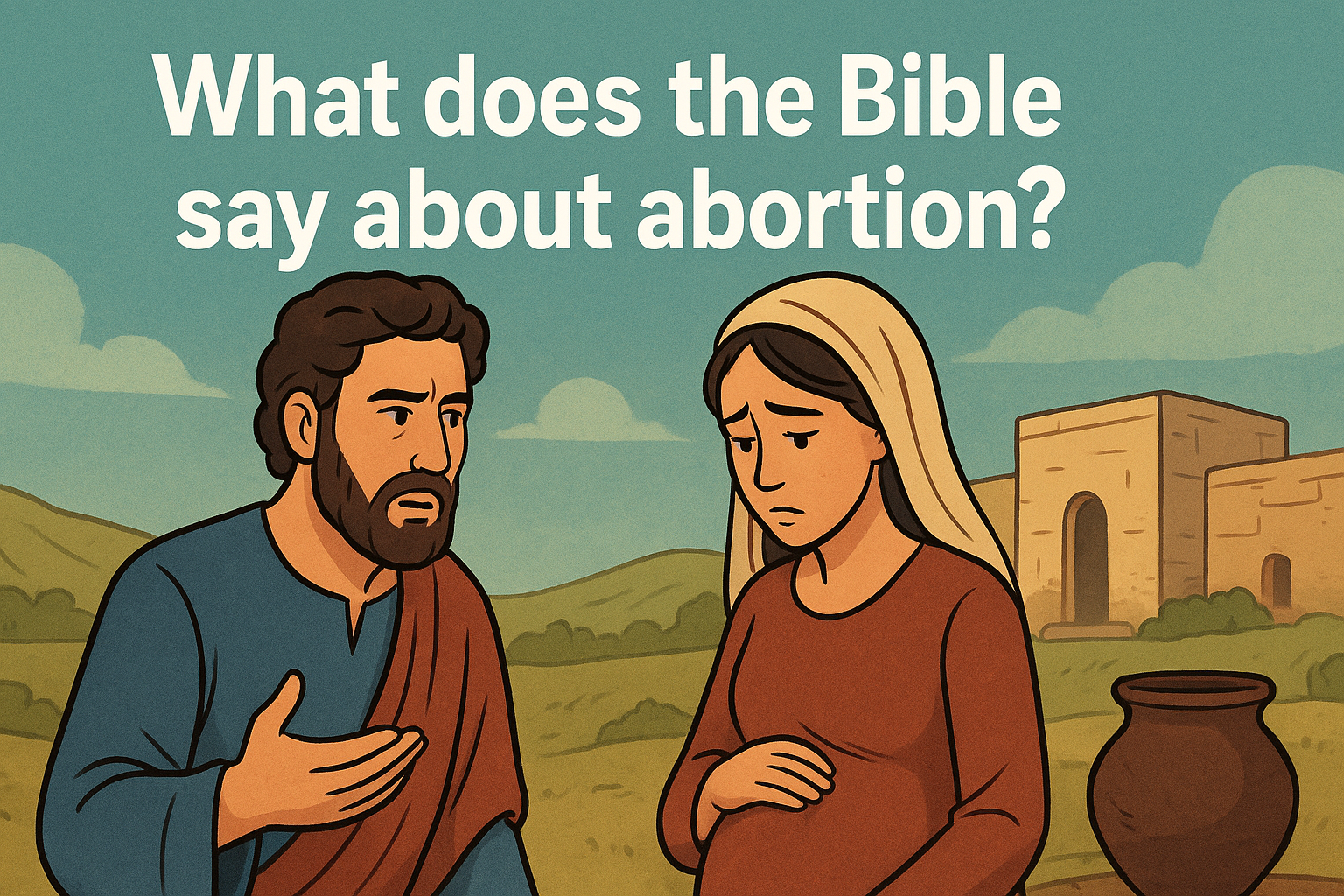
Abortion is a deeply contentious issue that evokes strong emotions and opinions. For many Christians, understanding what the Bible says about abortion is crucial for forming their views on the subject. This article will explore relevant Scripture passages, interpretations, and the broader biblical context related to the question of abortion.
The Bible does not explicitly mention the term “abortion,” but it does provide principles and teachings that have been interpreted to address the sanctity of life and the moral implications surrounding the issue. Key passages often cited include Psalm 139, Jeremiah 1:5, and Exodus 20:13. Each of these texts contributes to the conversation by highlighting the value of human life from conception and the divine involvement in the creation of each individual.
Understanding the Sanctity of Life
Psalm 139:13-16
One of the most cited passages in discussions about abortion comes from Psalm 139. Here, the psalmist writes, “For you created my inmost being; you knit me together in my mother’s womb” (Psalm 139:13, NLT). This verse illustrates the belief that God is intimately involved in the development of each person from the very beginning of life. The imagery of being “knit together” suggests a careful and deliberate process of creation, which many interpret as affirming the value of life in the womb.
Additionally, verses 15 and 16 continue this theme by indicating that God sees and knows the unborn child even before birth. This knowledge implies a personal relationship and purpose for each life, reinforcing the idea that life begins at conception. Thus, many Christians argue that the sanctity of life, established in these verses, extends to the unborn.
Jeremiah 1:5
Another significant verse is found in Jeremiah 1:5, where God says, “I knew you before I formed you in your mother’s womb” (NLT). This passage highlights the idea that God has a plan and purpose for each individual before their physical existence begins. The implication here is that life, and its inherent value, is recognized by God even prior to birth.
For many believers, this verse reinforces the belief that abortion is morally wrong because it interrupts a life that God has already purposefully created. The notion that God “knew” Jeremiah before his conception suggests a preordained significance to life that extends beyond mere biological processes.
The Commandment Against Murder
Exodus 20:13
Exodus 20:13 states, “You must not murder” (NLT). This commandment is foundational in Christian ethics and has been interpreted to apply to all human life, including the unborn. While some may argue about the definitions of life and personhood, the commandment is often viewed as encompassing the preservation of life at all stages.
Many Christians believe that the act of abortion constitutes a violation of this commandment. The reasoning is that if life begins at conception, then abortion is equivalent to taking a life, which is explicitly forbidden by God. This perspective emphasizes the moral obligation to protect and value all human life, including that of the unborn.
Interpreting Scripture and Context
While the verses mentioned above provide strong support for the pro-life stance, it is also essential to consider the broader biblical narrative and context. The Bible is a complex text with various interpretations and traditions. Some argue that certain Scriptures do not explicitly address modern abortion practices or the circumstances that might lead to such decisions.
Contextual Considerations
In examining biblical texts, it is important to recognize the historical and cultural contexts in which they were written. Ancient societies often had different views on life, personhood, and the value of children. For instance, in biblical times, children were highly valued, but there were also practices that reflect a different understanding of life and death than what is held today.
Furthermore, some passages in the Bible deal with issues of life and death, but they do not provide direct guidance on the topic of abortion. This has led to varying interpretations among Christians. Some may hold a more nuanced view that considers the circumstances surrounding a pregnancy, such as the health of the mother or cases of rape and incest.
Tradition and Disputed Interpretations
Christian tradition has also played a significant role in shaping beliefs about abortion. Throughout history, many church leaders and theologians have spoken against abortion, viewing it as contrary to God’s design. However, there are also contemporary Christian voices that advocate for a compassionate approach, emphasizing the importance of understanding individual circumstances and supporting women facing difficult decisions.
Disputed interpretations of Scripture can complicate the conversation. Different denominations and theological perspectives may lead to diverse conclusions about the morality of abortion. Therefore, while some Christians may firmly believe that the Bible condemns abortion, others may argue for a more compassionate understanding that considers the complexities of life situations.
In summary, the Bible speaks to the value and sanctity of life through various passages and teachings. While it does not address abortion directly, many Christians interpret Scripture as supporting the pro-life stance based on the belief that life begins at conception. However, the interpretation of these texts can vary significantly, influenced by tradition, context, and individual circumstances.
Life and Choice: A Complex Intersection
The discussion surrounding abortion often intersects with the concept of choice. For many, the right to choose is a fundamental aspect of personal autonomy. In the context of Christian teachings, this raises important questions about how free will and divine sovereignty coexist. While the Bible emphasizes the value of life, it also highlights the significance of individual choices and the moral responsibility that comes with them.
Free Will and Responsibility
Throughout Scripture, there is an acknowledgment of human agency. For instance, in Deuteronomy 30:19, God sets before His people life and death, urging them to choose life. This verse emphasizes that choices carry weight and consequences, which can be applied to the decision surrounding abortion. The act of choosing is not merely a matter of personal preference; it is also a moral decision that reflects one’s values and beliefs.
In the context of abortion, Christians who advocate for the pro-life position often emphasize the responsibility that comes with the choice of engaging in sexual relationships that could lead to pregnancy. They argue that choices made should align with biblical teachings about life, family, and morality. This perspective can lead to the belief that individuals must consider the potential life that may arise from their actions.
Compassion and Support
While the pro-life stance is often framed around the sanctity of unborn life, it is crucial to also consider the emotional and spiritual challenges faced by those who are pregnant, especially in difficult circumstances. The Bible teaches the importance of compassion, empathy, and support for those in need. For Christians, this means that discussions about abortion should not only focus on the unborn but should also include the well-being of the mother.
Providing Support to Women
In John 13:34-35, Jesus commands His followers to love one another as He has loved them. This principle of love can extend to how Christians engage with women facing unplanned pregnancies. Rather than condemnation, the Christian response can be one of support, providing resources, counseling, and assistance to help women navigate their choices. This approach aligns with the biblical call to care for the vulnerable and marginalized.
Churches and Christian organizations often play a vital role in offering pregnancy support services, counseling, and education. By fostering a community that supports women, Christians can help address the underlying issues that may lead to considering abortion. This proactive approach not only aligns with biblical teachings about love and support but also reflects a commitment to nurturing life in all its forms.
Understanding the Role of Sin and Grace
The conversation about abortion also requires an understanding of sin, grace, and forgiveness. Many individuals who have faced abortion may carry feelings of guilt or shame. It is essential for Christians to recognize that the message of the Gospel is one of redemption and grace. Romans 8:1 declares, “So now there is no condemnation for those who belong to Christ Jesus.” This affirmation of grace is a central tenet of the Christian faith and should shape the church’s response to those who have made difficult choices.
Healing and Forgiveness
For Christians, the journey toward healing and forgiveness is essential for those who have been affected by abortion. Churches can provide a safe space for individuals to seek healing through counseling, prayer, and community support. Programs and ministries focused on post-abortion healing can help individuals process their experiences and find peace in the context of God’s love and forgiveness.
The biblical narrative is rich with stories of redemption and second chances, illustrating that no one is beyond the reach of God’s grace. By emphasizing the importance of healing, Christians can foster an environment where individuals feel supported and loved, regardless of their past choices.
Engaging in Dialogue
In light of the complexities surrounding the issue of abortion, it is vital for Christians to engage in respectful and compassionate dialogue. As differing perspectives exist within the Christian community, open conversations can help bridge gaps and foster understanding. When discussing abortion, it is important to approach the topic with humility, recognizing that each person’s situation is unique and often deeply personal.
Questions for Reflection
To facilitate constructive dialogue, Christians can consider the following questions:
- How can we balance the sanctity of life with a compassionate response to women facing difficult choices?
- What role does the church play in supporting individuals who have experienced abortion or are considering it?
- How can we ensure that our discussions reflect the love and grace of Christ?
- What practical steps can we take to provide resources and support to women in crisis pregnancies?
Engaging with these questions can help foster a more nuanced understanding of abortion within the Christian context, encouraging believers to consider both the value of life and the importance of compassion.
Conclusion: A Call to Action
The Bible emphasizes the sanctity of life and the moral implications surrounding the issue of abortion. While it does not explicitly address the modern practice of abortion, biblical principles highlight the value of each individual life and the importance of making choices that reflect one’s faith. For Christians, this means advocating for the unborn while also offering support and compassion to women facing challenging circumstances.
As believers, it is our responsibility to engage in respectful dialogue, provide support for those in need, and embody the love of Christ in all interactions. By doing so, we can contribute to a culture that values life and promotes healing, understanding, and grace for all.