
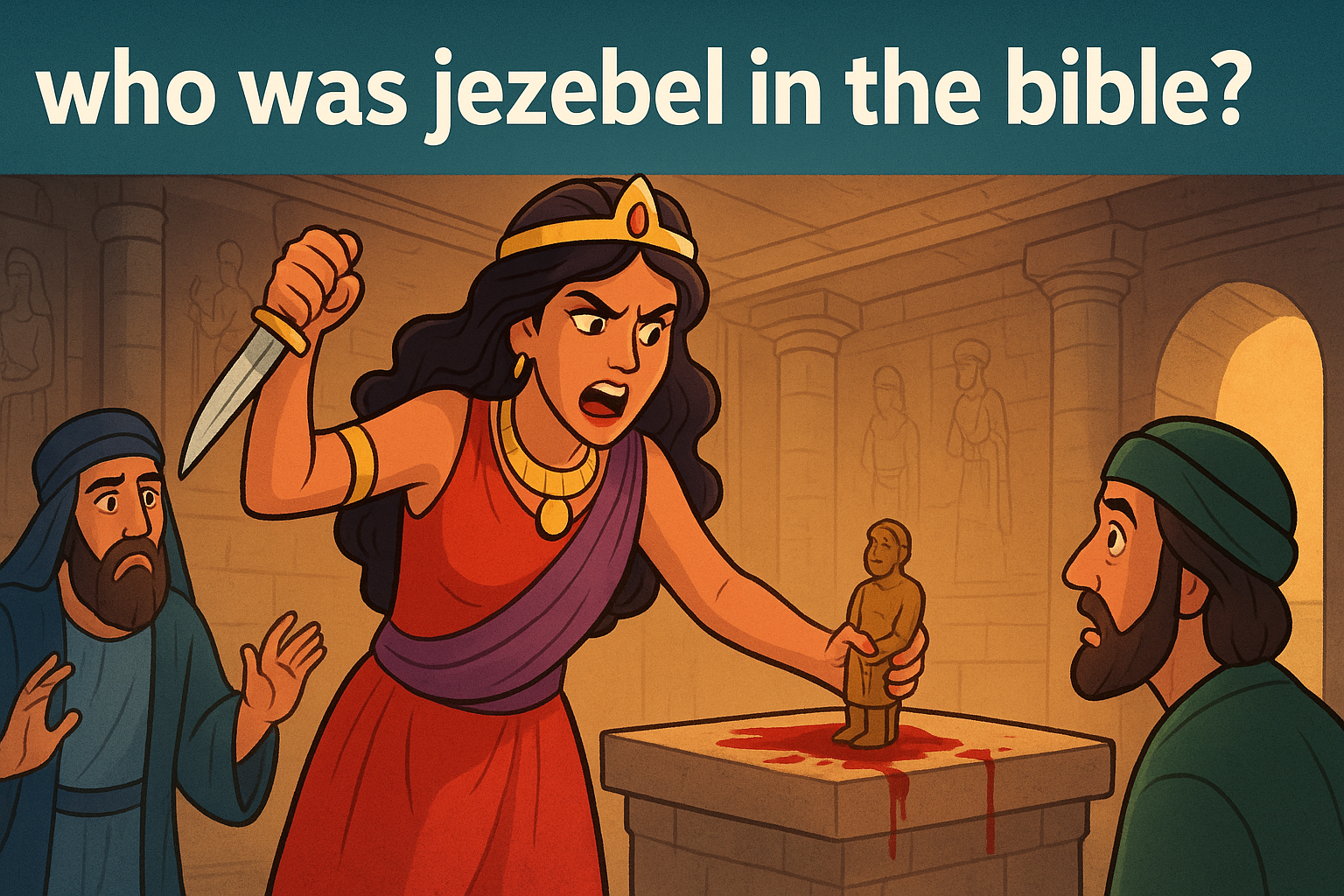
Jezebel is one of the most infamous figures in the Bible, often associated with idolatry, manipulation, and moral corruption. Her story unfolds primarily in the Old Testament, specifically in the books of 1 Kings and 2 Kings. Understanding who Jezebel was involves delving into her background, her actions, and the consequences of her life as depicted in Scripture.
Jezebel was a Phoenician princess, the daughter of Ethbaal, king of the Sidonians, who married King Ahab of Israel. This marriage was politically motivated, as it solidified an alliance between Israel and Phoenicia. However, her influence on Ahab and the nation of Israel would be profound and destructive, leading to significant shifts in worship and morality.
The Marriage to Ahab
Jezebel’s marriage to Ahab is detailed in 1 Kings 16:31-33. The text notes that Ahab not only married Jezebel but also began to serve Baal, the god she worshiped, and built an altar for him in Samaria. This shift marked a significant departure from the worship of Yahweh, the God of Israel, and introduced the worship of Baal into Israelite culture.
Influence on Worship
One of the most critical aspects of Jezebel’s story is her promotion of Baal worship. She actively sought to eliminate the prophets of Yahweh, resulting in the persecution of those who remained faithful to the God of Israel. In 1 Kings 18:4, it is noted that Jezebel killed the Lord’s prophets, which created a climate of fear and oppression. The prophet Elijah famously confronted this situation in a dramatic showdown on Mount Carmel (1 Kings 18:20-40), where he challenged the prophets of Baal to demonstrate their god’s power.
Conflict with Elijah
The conflict between Jezebel and Elijah highlights her role as an antagonist in the biblical narrative. After Elijah’s victory over the prophets of Baal, Jezebel threatened his life, leading him to flee into the wilderness (1 Kings 19:1-3). This moment illustrates her ruthless nature and determination to maintain her influence over Israel, even in the face of divine intervention.
Symbol of Idolatry and Immorality
Jezebel’s legacy is not just about her actions but also about what she represents. She symbolizes idolatry and immorality, leading the people of Israel astray from their covenant with God. Her name has become synonymous with wickedness, and throughout the Bible, she is often cited as a warning against the dangers of turning away from God. In Revelation 2:20, she is mentioned again, representing false teachings and leading others into sin.
The Downfall of Jezebel
The story of Jezebel ultimately leads to her downfall. In 2 Kings 9, the prophet Elisha is instructed to anoint Jehu as king of Israel, with the specific mission to eliminate the house of Ahab. Jehu’s rise to power marks the end of Jezebel’s influence. When Jehu confronts her, she attempts to seduce him with her beauty and power, but he orders her to be thrown from the window (2 Kings 9:30-33). Her death is brutal, and the aftermath is equally grim, as her body is left unburied, devoured by dogs, fulfilling the prophecy against her (2 Kings 9:36-37).
Lessons from Jezebel’s Life
The narrative of Jezebel serves as a cautionary tale about the consequences of turning away from God and embracing idolatry and immorality. Her story encourages readers to reflect on the importance of faithfulness to God, the dangers of influence, and the inevitable consequences of sin. Jezebel’s life was marked by ambition and power, but it ultimately led to her destruction and serves as a reminder of the fleeting nature of worldly success.
Through the exploration of Jezebel’s life and actions, we see a complex character whose influence was felt deeply in the history of Israel. Her story raises important questions about faith, leadership, and the impact of choices made in the pursuit of power and influence.
Jezebel’s Legacy and Symbolism
Jezebel’s legacy extends beyond her immediate actions and consequences, as she has become a symbol of unfaithfulness and manipulation in both religious and secular contexts. Throughout history, her name has often been used to depict women who exhibit similar traits of seduction and power, often in negative connotations. This portrayal raises questions about the way women are characterized in biblical narratives and the implications of those depictions.
Gender and Power Dynamics
Jezebel’s story invites contemplation of the gender dynamics present in biblical texts. While she wielded significant power as queen, her actions have often been used to reinforce stereotypes about women as temptresses or harbingers of evil. This characterization prompts readers to consider how cultural perceptions of women in positions of authority have evolved. Are Jezebel’s actions a reflection of her ambition, or do they highlight a broader commentary on the role of women in society during biblical times?
Furthermore, Jezebel’s influence over Ahab raises questions about the nature of power in relationships. Was Ahab merely a puppet under her control, or did he willingly participate in the idolatrous practices she promoted? Understanding the dynamics of their relationship can provide insights into how power can be exerted in both overt and subtle ways.
Lessons on Faithfulness and Idolatry
Jezebel’s narrative serves as a stark reminder of the dangers of idolatry and the importance of faithfulness to God. Her life illustrates how the pursuit of power and influence can lead individuals away from their foundational beliefs. This is particularly relevant for modern readers who may find themselves in situations where values are compromised for personal gain or societal acceptance.
Modern-Day Implications
In contemporary society, the lessons from Jezebel’s life continue to resonate. The allure of power, wealth, and influence can often lead individuals to compromise their morals and values. Reflecting on Jezebel’s choices encourages believers to examine their own lives for areas where they might be tempted to turn away from their commitment to God.
Moreover, the story of Jezebel poses significant questions for church leaders and communities. How can faith communities guard against the influences of modern-day “Jezebels” who may lead others astray? What safeguards can be put in place to ensure that worship remains focused on God rather than on materialism or personal ambition?
Theological Reflections
From a theological perspective, Jezebel’s actions can be seen as a manifestation of human sinfulness and the consequences of turning away from God. Her life invites deeper reflection on themes such as divine justice, repentance, and redemption. The brutal end of her story serves as a reminder that there are consequences for actions that lead others away from God.
Repentance and Restoration
Despite the negative portrayal of Jezebel, her story also raises the possibility of repentance. While the text does not indicate that Jezebel ever sought forgiveness, the concept of turning back to God is a prevalent theme throughout Scripture. This leads to a broader discussion about the nature of sin and the hope of redemption available to all, regardless of their past actions. How can individuals today seek to turn back to God after straying from their faith? What does true repentance look like?
Jezebel in Christian Tradition
Jezebel’s influence extends beyond the pages of the Bible into Christian tradition and literature. She has often been depicted as the archetype of wickedness, serving as a warning against the dangers of pride, manipulation, and idolatry. Her story has been referenced in sermons, literature, and art, illustrating the enduring impact of her character on Christian thought.
Comparison with Other Biblical Figures
When considering Jezebel, it can be illuminating to compare her to other biblical figures who faced similar challenges. For instance, Delilah and Eve are often mentioned in discussions about women who led men astray. How do these figures compare to Jezebel in terms of their motivations and consequences? Understanding these comparisons can enrich our interpretation of the narratives and the lessons they convey.
Final Reflections
The story of Jezebel is a multifaceted narrative that serves as a cautionary tale about the dangers of power, idolatry, and moral compromise. It challenges readers to examine their own lives and the influences that shape their faith. By reflecting on Jezebel’s legacy, we are reminded of the importance of remaining steadfast in our commitment to God and the values we hold dear.
As we engage with her story, we are invited to consider the broader implications of her choices and the lessons they impart. Jezebel’s life serves as a profound reminder that our decisions can have lasting impacts, not only on our own lives but also on the lives of those around us. In a world where the lines between good and evil can often be blurred, her story calls us to seek clarity and commitment in our faith journey.