
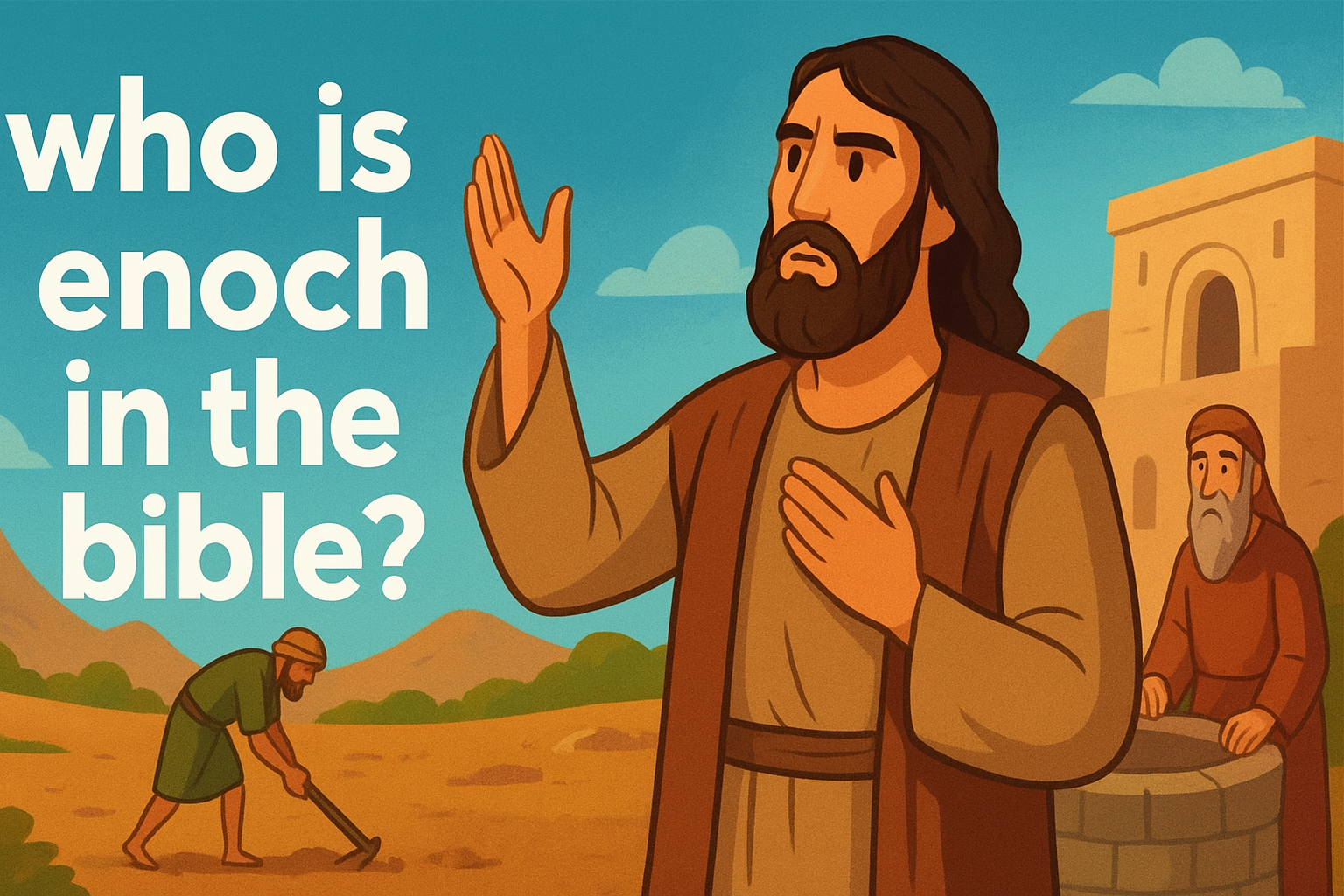
Enoch is a fascinating figure in the Bible whose life and legacy have intrigued readers and scholars for centuries. Mentioned briefly in the genealogies of Genesis, his story raises questions about faith, righteousness, and the nature of a relationship with God. Understanding who Enoch is involves exploring the biblical texts that reference him and the implications of his life.
In the Bible, Enoch is primarily known as the great-grandfather of Noah and a man who “walked with God.” His name appears in several key passages, most notably in Genesis 5:21-24, Hebrews 11:5-6, and Jude 1:14-15. Each of these references provides insight into his character and significance.
Enoch in the Genealogy of Genesis
The most direct references to Enoch can be found in the Book of Genesis. In Genesis 5, a genealogy is presented that traces the lineage from Adam to Noah. Enoch is introduced in this context:
“When Enoch had lived 65 years, he became the father of Methuselah. After he became the father of Methuselah, Enoch walked faithfully with God 300 years and had other sons and daughters.” (Genesis 5:21-22, NLT)
This passage highlights two significant aspects of Enoch’s life. First, he became a father at the age of 65, and second, he “walked faithfully with God” for 300 years. The phrase “walked with God” suggests a close and personal relationship with the Creator, indicating that Enoch lived a life of faith and obedience. The mention of Methuselah, who is noted for living 969 years, further emphasizes the long lifespan and the generations that followed Enoch.
The Significance of Walking with God
The expression “walked with God” appears again in the Bible, most notably in the context of other righteous figures like Noah. To “walk with God” implies a lifestyle of faithfulness, communion, and obedience to God’s will. Enoch’s relationship with God is characterized by a deep commitment and a life that reflects God’s righteousness.
In Hebrews 11:5-6, Enoch is commended for his faith:
“It was by faith that Enoch was taken up to heaven without dying—’he disappeared, because God took him.’ For before he was taken up, he was known as a person who pleased God.” (Hebrews 11:5, NLT)
This New Testament reference highlights Enoch’s exceptional faith. The phrase “he disappeared, because God took him” indicates that Enoch did not experience death in the usual sense but was instead taken directly to heaven by God. This unique transition from earthly life to heavenly glory sets Enoch apart from other biblical figures and emphasizes the divine approval of his life.
Enoch’s Prophetic Role
Another significant mention of Enoch is in the Book of Jude, which provides additional context about his prophetic role:
“Enoch, who lived in the seventh generation after Adam, prophesied about these people. He said, ‘Look! The Lord is coming with countless thousands of his holy ones to execute judgment on the people of the world.'” (Jude 1:14-15, NLT)
In this passage, Enoch is recognized not only as a righteous man but also as a prophet. His prophecy speaks to the coming judgment and the return of the Lord, which is a theme that resonates throughout Scripture. This prophetic aspect adds depth to Enoch’s character, showing that he was not only in a right relationship with God but also aware of God’s plans for humanity.
Tradition and Interpretation of Enoch
While the biblical text provides a concise account of Enoch’s life, various traditions and interpretations have emerged over time. Some ancient Jewish texts, such as the Book of Enoch, expand on his story and explore themes of judgment, the nature of angels, and the end times. However, these texts are not considered canonical by most branches of Judaism and Christianity.
In Christian tradition, Enoch is often viewed as a model of faithfulness and obedience. His life serves as an example of how one can maintain a close relationship with God amidst a world that may not share that devotion. The brevity of his biblical account invites reflection on one’s own spiritual walk and the desire for a deeper connection with the divine.
Comparisons with Other Biblical Figures
Enoch is frequently compared to other biblical figures who exhibited deep faith and righteousness. For instance, Noah, who is Enoch’s descendant, is also described as walking with God (Genesis 6:9). Both figures demonstrate a commitment to God that stands out in their respective generations. Additionally, Elijah is another figure who is noted for being taken up to heaven without experiencing death, similar to Enoch’s experience.
These comparisons highlight a biblical theme of divine favor towards those who earnestly seek and follow God. Enoch’s life encourages believers to pursue a relationship with God characterized by faith and obedience, as evidenced by his unique journey and the legacy he left behind.
The Impact of Enoch’s Life on Christian Theology
Enoch’s life and experiences have significant implications for Christian theology, particularly regarding the nature of faith, the afterlife, and God’s judgment. His unique transition to heaven without experiencing death raises questions about the nature of eternal life and what it means to be in right standing with God.
In Christian thought, Enoch’s faithfulness exemplifies the belief that a personal relationship with God can lead to extraordinary outcomes. His life serves to remind believers that faith is not merely a set of beliefs but an active, living relationship characterized by trust and obedience. This understanding of faith is echoed in the teachings of Jesus and the apostles, who emphasized the importance of a sincere heart and genuine commitment to God.
Enoch in the Context of the Old Testament
Within the broader context of the Old Testament, Enoch’s narrative highlights the importance of righteousness amidst a world increasingly marked by sin and corruption. His life stands out in a period leading up to the great flood, where humanity had largely turned away from God. Enoch’s faithfulness serves as a stark contrast to the moral decay of his time.
This context may lead to meaningful questions for readers today: How can individuals maintain their faith in a world that often contradicts their beliefs? What does it mean to “walk with God” in a modern context? Enoch’s example encourages believers to persevere in their faith, reminding them that their relationship with God can have profound implications not only for their lives but also for the generations that follow.
Exploring Enoch’s Legacy in Christian Literature
Throughout Christian literature, Enoch is often referenced as a figure of great faith and prophetic insight. His legacy extends beyond the biblical text, inspiring various works of art, literature, and theology. For instance, the Book of Enoch, while not considered canonical, reflects the continued fascination with his character and offers insights into ancient Jewish thought about the afterlife and divine judgment.
Additionally, Enoch’s influence can be seen in the writings of early Church Fathers, who often cited him when discussing themes of prophecy and divine revelation. His life has become a symbol of hope and righteousness, encouraging believers to aspire to a deeper spiritual life.
Questions Raised by Enoch’s Story
Enoch’s brief yet impactful narrative prompts several questions worth considering:
- What does Enoch’s relationship with God teach us about the nature of faith today?
- How can Enoch’s example inspire contemporary believers to engage with their faith actively?
- What insights can be gleaned from Enoch’s prophetic role regarding future events and divine judgment?
- In what ways can Christians today strive to “walk with God” as Enoch did?
These questions encourage reflection on Enoch’s life and its relevance to the believer’s journey in faith. They highlight the timeless nature of Enoch’s example and the importance of seeking a relationship with God that transcends cultural and historical boundaries.
Conclusion: Enoch as a Model for Faith
Enoch’s life offers a powerful model for faithfulness, obedience, and communion with God. His narrative, though concise, encapsulates profound truths that resonate with believers across generations. By examining Enoch’s story, Christians are reminded of the importance of walking faithfully with God, the significance of prophetic insight, and the hope of eternal life. Enoch’s legacy encourages believers to aspire to a deep and personal relationship with God, fostering a life that reflects His righteousness in a world that often challenges faith.
Ultimately, Enoch’s journey invites all to consider their own spiritual walk and to seek a closer relationship with the Creator, echoing the timeless call to walk with God in faith and truth.