
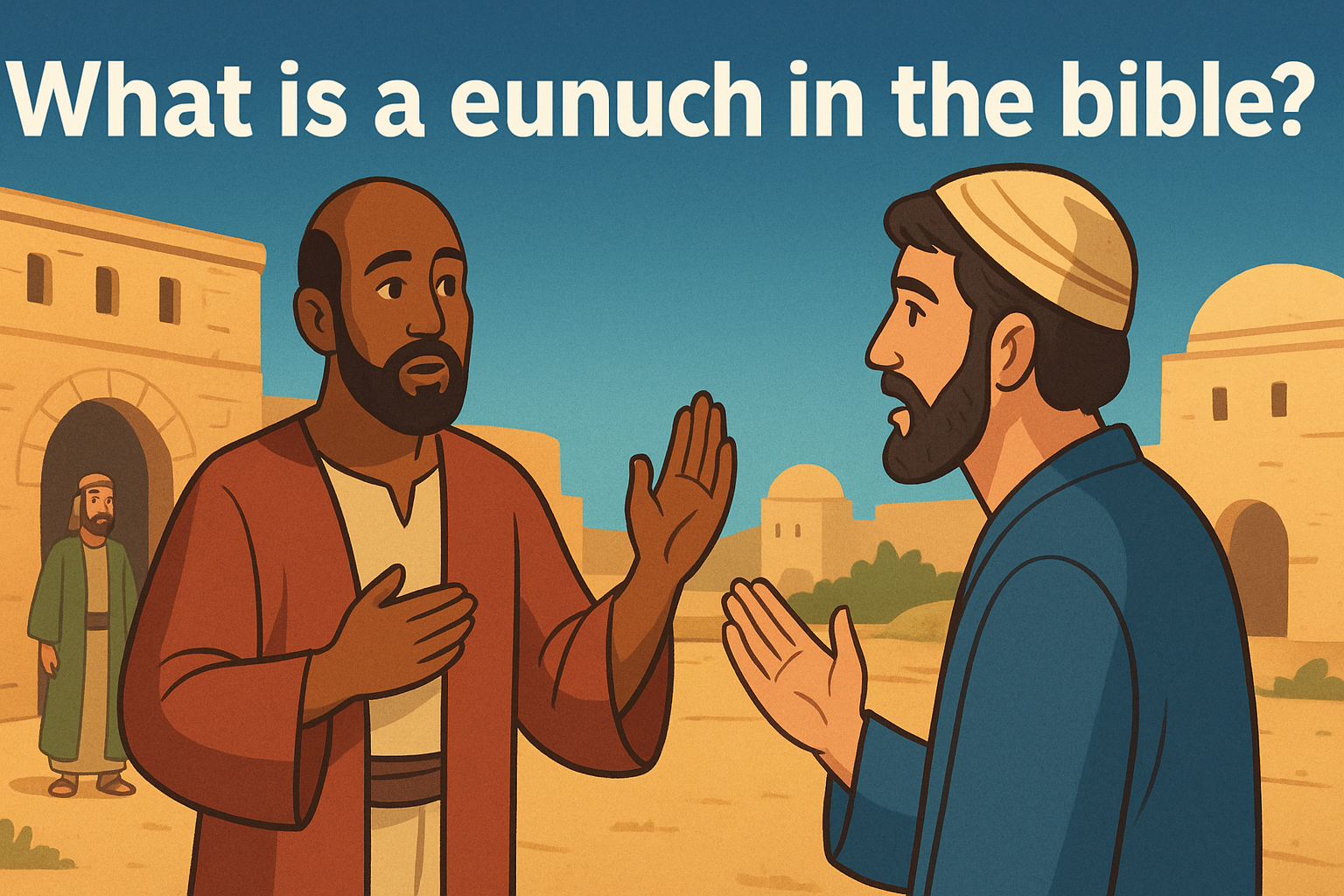
The term “eunuch” appears several times in the Bible, often sparking curiosity and questions about its meaning and implications. This article will explore the biblical understanding of eunuchs, their roles, and the cultural context in which they existed. By examining relevant passages and interpretations, we aim to clarify what a eunuch is according to Scripture.
In the Bible, a eunuch is typically understood to be a man who has been castrated, often for the purpose of serving in specific roles, such as in royal courts or as caretakers of women. The practice of creating eunuchs was common in ancient cultures, including those surrounding the Israelites. Eunuchs held a unique position in society, and their roles varied significantly depending on their context.
Biblical References to Eunuchs
Old Testament Insights
The Old Testament contains several references to eunuchs, often within the context of their roles in royal households. One significant mention is found in 2 Kings 9:32-33, where Jezebel is confronted by Jehu, and her eunuchs are ordered to throw her down from a window. This passage illustrates the presence of eunuchs in positions of power and influence, often serving in close proximity to royalty.
Another important reference is in Isaiah 56:3-5, where God speaks favorably of eunuchs and their potential to become part of His people. This passage states, “Don’t let the eunuch say, ‘I’m a dried-up tree.’ For this is what the Lord says: ‘I will give you a name, better than sons and daughters. I will give you an everlasting name that will never disappear.'” Here, God affirms the value and worth of eunuchs in His kingdom, promising them a place and a legacy.
Understanding the Cultural Context
In ancient cultures, including those in the biblical narrative, eunuchs often occupied unique roles. They were frequently employed in positions of trust, especially in royal courts. Because of their physical condition, eunuchs were seen as safe guardians for women, such as those in harem settings. Their inability to father children made them less of a threat to the royal lineage, which was a significant concern in patriarchal societies.
Additionally, eunuchs often served as high-ranking officials, advisors, or even military leaders. This dual role of serving both practical functions and holding positions of authority illustrates the complexity of their societal contributions.
Eunuchs in the New Testament
The Ethiopian Eunuch
The New Testament also addresses eunuchs, most notably in the account of the Ethiopian eunuch in Acts 8:26-40. This eunuch is described as a high official in charge of the treasury of the queen of the Ethiopians. He is traveling back from Jerusalem where he had gone to worship and is reading from the book of Isaiah.
Philip, guided by the Holy Spirit, approaches him and asks if he understands what he is reading. The eunuch confesses he needs someone to explain it to him, leading to Philip sharing the good news about Jesus. This encounter highlights the openness of the eunuch to spiritual matters and his eventual baptism, signifying his acceptance into the Christian faith.
Jesus’ Teachings on Eunuchs
In Matthew 19:12, Jesus mentions eunuchs while discussing marriage and celibacy. He states, “For there are eunuchs who were born that way, and there are eunuchs who have been made eunuchs by others, and there are those who choose to live like eunuchs for the sake of the kingdom of heaven.” This passage introduces the idea that not all eunuchs are physically castrated; some choose a life of celibacy for spiritual reasons.
Jesus’ acknowledgment of eunuchs expands the understanding of their role in society and within the kingdom of God. It emphasizes that their worth is not determined by their physical condition but by their commitment to God’s purposes.
Theological Implications of Eunuchs
A Place in God’s Kingdom
The biblical portrayal of eunuchs reveals significant theological implications. As seen in Isaiah and the account of the Ethiopian eunuch, eunuchs are included in God’s redemptive plan. This inclusion reflects a broader theme in Scripture: God’s grace extends beyond societal norms and human limitations.
In the Old Testament, eunuchs were often marginalized, but God promises them a place among His people. This idea challenges contemporary readers to consider how they view those who are different or marginalized in their communities.
Celibacy and Spiritual Dedication
Jesus’ teaching on eunuchs also invites reflection on the value of celibacy and single-minded devotion to God. For those who choose to live a life of celibacy for the sake of the kingdom, there is a unique opportunity to serve God without the distractions that can come with marriage and family responsibilities. This perspective encourages believers to recognize the diverse ways in which individuals can contribute to God’s work, regardless of their marital status or physical condition.
In summary, the biblical concept of eunuchs encompasses a range of meanings and roles, from those who were physically altered to those who chose a life of celibacy. The Scriptures affirm their worth and place in God’s kingdom, challenging societal norms and inviting all people to find their identity and purpose in Him.
Different Types of Eunuchs in the Bible
Understanding the term “eunuch” in the Bible requires recognizing that it encompasses various types of individuals, each with distinct backgrounds and roles. These categories can help clarify the broader implications of eunuchs in biblical texts.
Castrated Eunuchs
The most commonly understood type of eunuch is the castrated male, often made so to serve in royal courts or as guardians of women. In this capacity, they were trusted to oversee the harems of kings and were often given significant authority, as noted in the example of the eunuchs in the courts of Babylon and Persia. Their physical condition rendered them non-threatening in terms of lineage, making them suitable for these positions.
Born Eunuchs
As Jesus mentioned, some eunuchs are born that way. This group may include individuals with congenital conditions that affect their reproductive organs. While this may not align with the traditional understanding of eunuchs, it demonstrates that the term can also encompass those who have never possessed the ability to reproduce. The inclusion of born eunuchs in Jesus’ teaching emphasizes that their worth is intrinsic and not solely based on societal roles.
Eunuchs for the Kingdom
Lastly, Jesus refers to those who choose to live as eunuchs for the sake of the kingdom of heaven. This choice reflects a deep commitment to spiritual pursuits over earthly attachments. Believers who embrace celibacy for spiritual reasons are seen as dedicating their lives to God’s service, prioritizing their relationship with Him above personal desires. This aspect of eunuchs highlights the diversity of paths individuals can take in their faith journeys.
The Eunuch as a Symbol of Inclusivity
The biblical narrative surrounding eunuchs also serves as a powerful symbol of inclusivity within God’s kingdom. The passages that reference eunuchs challenge the prevailing social norms of the time, which often marginalized individuals based on physical condition or societal status.
God’s Affirmation of Eunuchs
In Isaiah 56:3-5, God explicitly affirms eunuchs, promising them a place in His house and a name better than sons and daughters. This radical inclusivity is a theme that resonates throughout Scripture, illustrating that God’s grace transcends human divisions. The promise of belonging to the eunuchs serves as an invitation to all marginalized groups, reminding them of their inherent value in God’s eyes.
The Role of the Ethiopian Eunuch
The encounter between Philip and the Ethiopian eunuch (Acts 8) further reinforces this theme. The eunuch, a high-ranking official from a foreign nation, illustrates that God’s message is not limited by ethnicity, status, or physical condition. His willingness to seek understanding and ultimately embrace the faith demonstrates that salvation is available to all who believe, regardless of their background. This narrative invites readers to reflect on their own openness to diversity within the faith community.
Contemporary Reflections on Eunuchs
While the biblical understanding of eunuchs is rooted in ancient culture, the implications for contemporary believers are profound. The discussions surrounding eunuchs challenge modern Christians to consider how they treat those who may feel excluded or marginalized in today’s society.
Addressing Modern Marginalization
Just as eunuchs faced societal challenges in biblical times, many individuals today experience similar forms of exclusion based on various factors, including sexuality, disability, or social status. The biblical perspective on eunuchs encourages believers to foster inclusive communities that celebrate diversity and affirm the worth of every individual. This call to inclusivity aligns with the core message of the Gospel, which emphasizes love, acceptance, and grace for all.
The Value of Celibacy in Modern Faith
The concept of celibacy for spiritual reasons is also relevant in today’s Christian context. Many individuals choose to remain single or celibate, either for personal reasons or as a commitment to their faith. Recognizing the value of these choices can help the church create supportive environments where all paths of dedication to God are honored and encouraged. This recognition affirms that one’s relationship with God is paramount, regardless of marital status.
Conclusion: Eunuchs and the Kingdom of God
The biblical understanding of eunuchs encompasses a diverse range of individuals, each with unique roles and significance within the biblical narrative. From the castrated servants of royalty to those who choose celibacy for spiritual purposes, eunuchs remind us of God’s inclusive love and grace. The Scriptures challenge contemporary believers to embrace diversity, extend compassion to the marginalized, and recognize the intrinsic value of every individual in God’s creation.
Ultimately, the message surrounding eunuchs invites us to reflect on our own lives and communities. Are we creating spaces where all individuals feel valued and included? Are we honoring the spiritual journeys of those who choose paths different from our own? By embracing these questions, we can better align ourselves with the heart of God, who welcomes all into His kingdom, regardless of their earthly status or circumstances.