
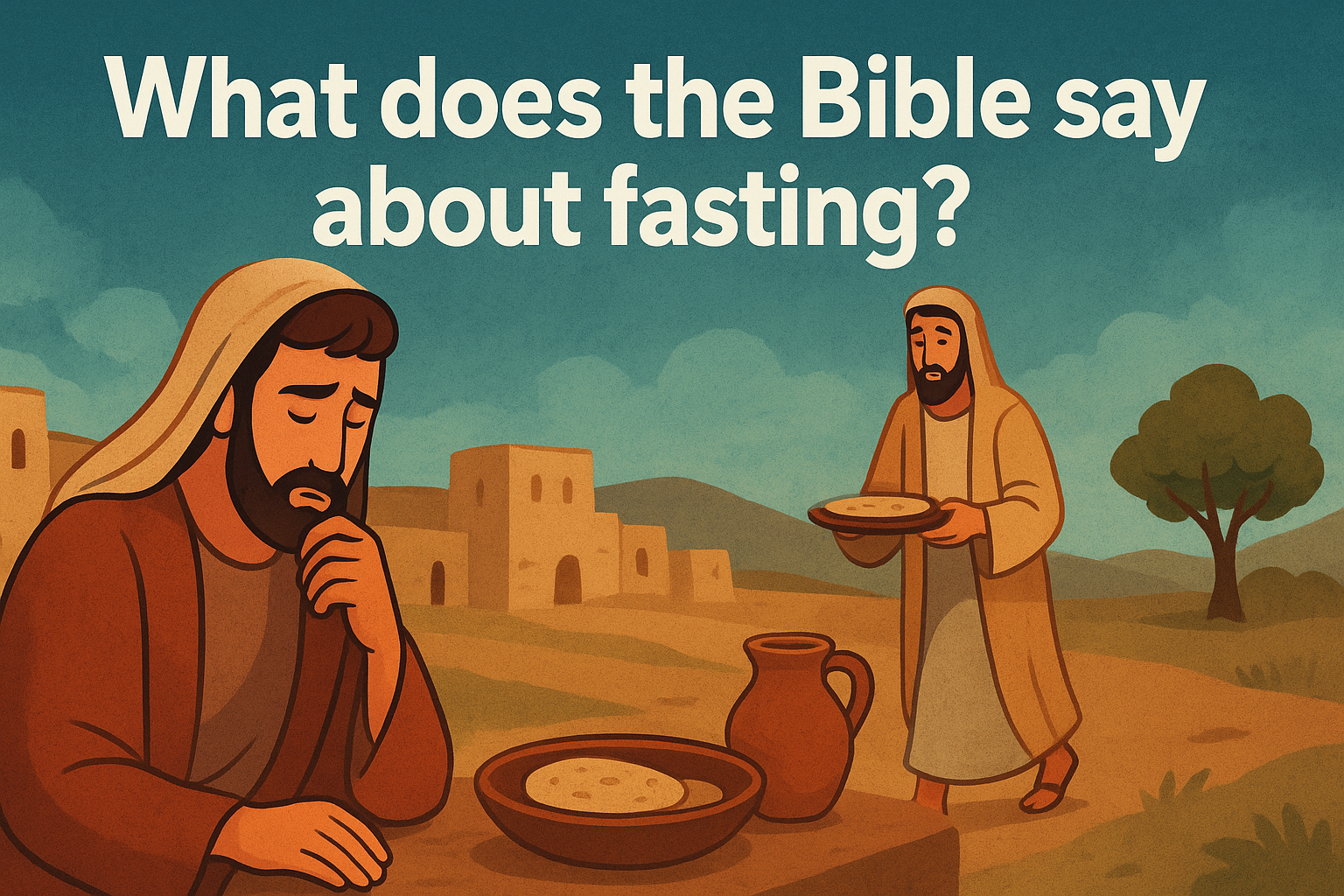
Fasting is a practice that holds significant meaning in the Christian faith, often associated with prayer, repentance, and spiritual growth. Many believers seek to understand the purpose and implications of fasting as described in the Bible. This article will explore what the Scriptures say about fasting, its biblical context, and the guidance it provides for followers of Christ.
The Bible presents fasting as a means of seeking God, humbling oneself, and focusing on spiritual matters rather than physical needs. Throughout both the Old and New Testaments, various instances of fasting are recorded, giving insight into its importance and how it should be approached.
Fasting in the Old Testament
In the Old Testament, fasting is often linked to mourning, repentance, and seeking God’s favor. One of the earliest mentions of fasting is found in the book of Exodus. Moses fasted for forty days and nights while receiving the Ten Commandments from God (Exodus 34:28). This act demonstrated his deep commitment to God and the seriousness of his mission.
Another notable instance is in the book of Joel, where God calls for a national fast as a sign of repentance. Joel 2:12-13 states, “That is why the Lord says, ‘Turn to me now, while there is time! Give me your hearts. Come with fasting, weeping, and mourning.’” Here, fasting is presented as an essential expression of sorrow for sin and a desire for restoration.
The Purpose of Fasting
The primary purpose of fasting in the Old Testament is to draw closer to God. It is a way to humble oneself and seek His guidance. In Isaiah 58, God critiques the Israelites for their empty rituals, including fasting without genuine intent. Verses 6-7 highlight the true purpose of fasting: “No, this is the kind of fasting I want: Free those who are wrongly imprisoned; lighten the burden of those who work for you. Let the oppressed go free, and remove the chains that bind people.” This passage emphasizes that fasting should lead to action and compassion, not just a ritualistic observance.
Fasting in the New Testament
In the New Testament, fasting continues to be an important practice among believers. Jesus Himself fasted for forty days in the wilderness before beginning His public ministry (Matthew 4:1-2). This period of fasting was significant for Jesus as it prepared Him for the challenges ahead and demonstrated His reliance on God.
Jesus also taught about fasting in the Sermon on the Mount. In Matthew 6:16-18, He instructs His followers on how to fast properly. He warns against fasting for the sake of appearances, saying, “And when you fast, don’t make it obvious, as the hypocrites do. For they try to look miserable and disheveled so people will admire them for their fasting.” Instead, Jesus encourages fasting to be a private matter between the believer and God, emphasizing that God sees the heart and will reward genuine devotion.
Types of Fasting
The Bible describes different types of fasting. Some of the most common include:
- Absolute Fast: This type of fast involves refraining from all food and drink. An example is found in Acts 9:9, where Saul (later known as Paul) fasted for three days after his encounter with Jesus.
- Partial Fast: This type involves abstaining from certain foods or meals. In Daniel 1:12, Daniel and his friends chose to eat only vegetables and drink water instead of the king’s rich food.
- Corporate Fast: A group or community may fast together for a specific purpose, such as seeking God’s guidance or interceding for a situation. In 2 Chronicles 20:3, Jehoshaphat proclaimed a fast for all Judah when facing an overwhelming enemy.
The Spiritual Benefits of Fasting
Fasting is not merely about abstaining from food; it is a spiritual discipline that can lead to numerous benefits. It encourages believers to focus on prayer and seek a deeper relationship with God. Throughout the Bible, fasting is associated with several spiritual outcomes:
- Increased Sensitivity to God: Fasting can heighten one’s awareness of God’s presence and prompt spiritual insights that may not be as easily perceived during regular routines.
- Strengthened Prayer Life: Many believers find that fasting enhances their prayer life, allowing for more focused and fervent communication with God.
- Repentance and Humility: Fasting often brings about a spirit of humility, prompting individuals to confront sin and seek forgiveness, much like the example set in Joel.
Fasting as a Spiritual Discipline
Fasting is considered a spiritual discipline that requires intention and commitment. It is essential to approach fasting with prayerful consideration, seeking God’s guidance on when and how to fast. The New Testament encourages believers to fast with a heart that desires to honor God rather than seeking personal gain or recognition.
In summary, the Bible presents fasting as a vital practice for spiritual growth, repentance, and seeking God’s will. It is an act of humility that should be done with sincerity and a focus on the relationship between the believer and God. As we explore further, we will delve into practical guidance on how to fast effectively and the significance of fasting in the life of a believer.
Practical Guidance on Fasting
For those looking to incorporate fasting into their spiritual practices, understanding how to approach it is essential. While the Bible provides examples and teachings on fasting, it also allows for personal interpretation and application. Here are some practical steps to consider when preparing for a fast:
- Pray for Guidance: Before starting a fast, seek God’s direction through prayer. Ask Him to reveal the purpose of your fast and how He wants you to proceed. This ensures that your fast is rooted in a desire to grow closer to Him.
- Set a Clear Purpose: Determine why you are fasting. It could be for personal growth, intercession for others, or seeking clarity in a specific situation. Having a clear purpose can help maintain focus during the fast.
- Choose the Type of Fast: Decide on the type of fast that suits your situation. Whether it is an absolute fast, partial fast, or a corporate fast, ensure that it aligns with your spiritual goals and physical capabilities.
- Prepare Spiritually and Physically: Fasting can be physically demanding, so it is wise to prepare your body gradually. Start by reducing food intake a few days before the fast. Spiritually, immerse yourself in Scripture and prayer to strengthen your resolve.
- Stay Committed: During the fast, remain committed to your purpose. Use the time you would typically spend eating to pray, read the Bible, or meditate. This helps to deepen your spiritual experience.
- Break the Fast Wisely: After fasting, it is important to reintroduce food gradually. Start with light meals to avoid overwhelming your system. Reflect on what you learned during the fast and how it has impacted your relationship with God.
Fasting with a Community
Fasting is often more powerful when done with a community. Engaging in a corporate fast can foster unity and collective spiritual growth. The Bible provides several examples of groups fasting together, which can strengthen bonds and focus the group on a shared goal.
In Acts 13:2-3, the early church fasted and prayed before commissioning Paul and Barnabas for their mission. This collective act of fasting demonstrated their dependence on God’s guidance and the seriousness of their mission. Participating in a fast with fellow believers can create a sense of accountability and encouragement, making the experience more enriching.
Common Misconceptions about Fasting
Despite its biblical significance, there are several misconceptions about fasting that can hinder its practice. It is important to clarify these misunderstandings to approach fasting with the right mindset:
- Fasting is Only About Food: While abstaining from food is the most common form of fasting, it can also include giving up other things, such as social media or entertainment, to focus more on God.
- Fasting Guarantees Answers to Prayer: Some believe that fasting will automatically lead to specific answers or outcomes. However, the purpose of fasting is to align one’s heart with God’s will, not to manipulate Him into granting requests.
- Fasting is a Means of Gaining Favor: Fasting is not a way to earn God’s favor or prove one’s holiness. Instead, it is an expression of humility and a desire to grow closer to Him.
The Role of Fasting in Spiritual Warfare
Fasting can also play a significant role in spiritual warfare. In Matthew 17:21, Jesus speaks about a specific kind of demon that can only be driven out through prayer and fasting. This highlights fasting as a powerful tool for believers facing spiritual battles. It can help sharpen one’s spiritual discernment and reliance on God.
Engaging in fasting during times of spiritual struggle can lead to breakthroughs and deeper understanding. It allows believers to confront spiritual challenges with a renewed focus and strength derived from dependence on God.
Follow-Up Questions for Reflection
As you consider the practice of fasting, here are some meaningful questions to reflect on:
- What specific area of your life do you feel called to fast and pray for?
- How can fasting help you grow closer to God and deepen your faith?
- Are there habits or distractions in your life that you could set aside during a fast to enhance your spiritual focus?
- In what ways can you involve your church or community in a fast for collective prayer and guidance?
Conclusion
Fasting, as portrayed in the Bible, is a profound spiritual discipline that can lead to deeper intimacy with God, increased awareness of His will, and a transformative experience of faith. It is not merely a ritualistic act but a heartfelt response to God’s call for humility, repentance, and dependence on Him.
As believers explore the various aspects of fasting, they are encouraged to approach it thoughtfully and prayerfully. By understanding its biblical foundation, practical applications, and the importance of community involvement, Christians can engage in fasting as a means to grow spiritually and draw closer to God. Ultimately, fasting is a journey that leads to a richer, more meaningful relationship with the Creator.