
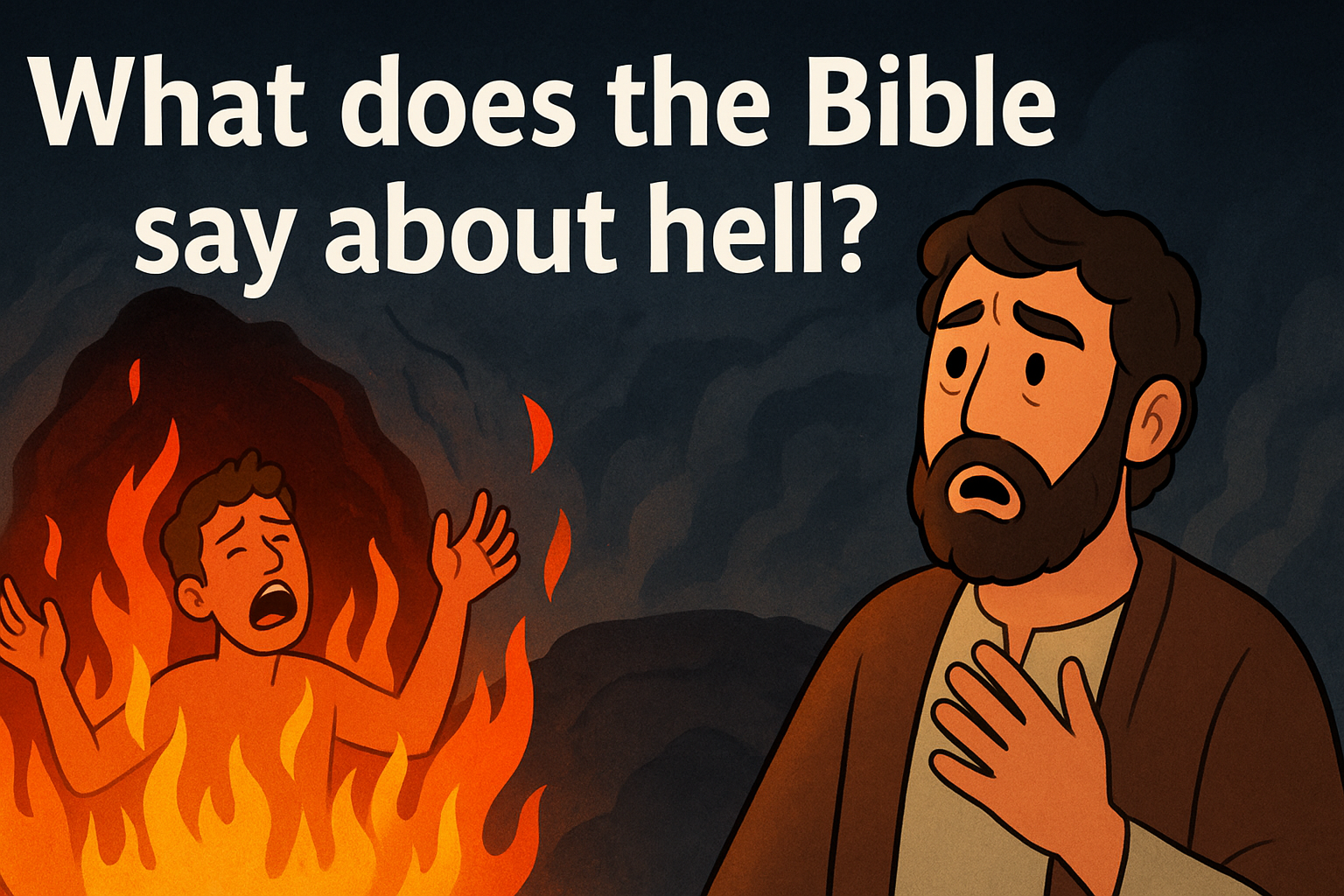
The concept of hell is a significant topic in Christian theology and has been the subject of much discussion and interpretation throughout the centuries. Many people wonder what the Bible actually says about hell, how it is described, and who it is intended for. Understanding the biblical perspective on hell can provide clarity and insight into the nature of God’s justice and mercy.
The Bible presents hell as a place of punishment for the wicked and a consequence of rejecting God’s grace. Various passages throughout both the Old and New Testaments offer insights into the nature, purpose, and experience of hell.
Definitions and Terms Used for Hell
Sheol and Hades
In the Old Testament, the Hebrew word Sheol is often used to describe the place of the dead. It is a shadowy realm where both the righteous and the wicked are said to go after death. While not explicitly a place of torment, it represents a separation from the living and, by extension, from God.
In the New Testament, the Greek word Hades is the equivalent of Sheol. It is used similarly to refer to the temporary abode of the dead. In Luke 16:23-26, the story of the rich man and Lazarus illustrates a conscious existence after death, where the rich man, in Hades, experiences torment while Lazarus is comforted in Abraham’s bosom.
Gehenna
Another term that is often associated with hell is Gehenna. Originally, Gehenna referred to a valley outside Jerusalem known for its association with idolatry and child sacrifice. By the time of Jesus, it had become a symbol of eternal punishment. In Matthew 10:28, Jesus warns about the one who can destroy both soul and body in Gehenna, highlighting its significance as a place of dire consequence for those who reject God.
Descriptions of Hell in the Bible
Fire and Darkness
Several biblical passages describe hell using imagery of fire and darkness, suggesting intense suffering and separation from God. For example, in Matthew 13:41-42, Jesus speaks of the “weeds” being gathered and thrown into the fiery furnace, where there will be weeping and gnashing of teeth. This vivid imagery is meant to convey the severity of the punishment awaiting the unrighteous.
Additionally, in 2 Peter 2:4, hell is described as a place where angels who sinned are held in chains of darkness until judgment. This reinforces the idea of hell as a place of confinement and separation from the light of God.
Eternal Separation from God
One of the most sobering aspects of hell in biblical teaching is the notion of eternal separation from God. In Matthew 25:41, Jesus speaks of the final judgment, where the unrighteous are cast into eternal fire prepared for the devil and his angels. This indicates that hell is not merely a physical place but also a spiritual state of separation from the presence of God, which is the ultimate source of life and goodness.
The Purpose of Hell
Justice and Accountability
The existence of hell serves a purpose in God’s justice system. It provides a means of accountability for those who have chosen to reject God’s offer of salvation. Romans 2:6-8 states that God “will repay each person according to what they have done.” This indicates that hell is not arbitrary punishment but rather a just consequence of one’s choices and actions in life.
Preservation of Free Will
Another perspective on hell is that it preserves human free will. God desires for all to come to repentance (2 Peter 3:9), but He also respects the choices individuals make. Those who choose to reject Him and His ways ultimately face the consequences of their decisions. Hell can be seen as the ultimate expression of God allowing individuals to have their own way, even if it leads to separation from Him.
Interpretations and Debates
Traditional Views vs. Alternative Interpretations
Throughout church history, various interpretations of hell have emerged. Traditional views often emphasize hell as a place of eternal torment for the wicked. However, some theologians propose alternative interpretations, such as annihilationism, which suggests that the wicked will ultimately be destroyed rather than eternally tormented.
Universalism is another view, suggesting that all will eventually be reconciled to God, including those who have rejected Him. While these interpretations have their proponents, they often rely on specific theological frameworks rather than explicit biblical texts.
Scriptural Basis for Different Views
Supporters of the traditional view often cite passages like Revelation 20:10, which speaks of the devil being thrown into the lake of fire and tormented day and night forever. On the other hand, proponents of annihilationism may reference Matthew 10:28, which speaks of the soul being destroyed rather than eternally tormented. Universalists might highlight verses like Colossians 1:20, which speaks of all things being reconciled to God through Christ.
Each interpretation carries with it implications for understanding God’s nature and His relationship with humanity, making the discussion around hell both complex and profound.
The Nature of Suffering in Hell
Understanding the nature of suffering in hell is crucial for grasping its implications. Biblical descriptions often emphasize the emotional and spiritual agony of separation from God. The imagery of weeping and gnashing of teeth serves to underscore the profound regret and anguish experienced by those in hell. This suffering is not merely physical but encompasses a deep realization of lost opportunities for repentance and reconciliation with God.
In the parable of the rich man and Lazarus, the rich man’s plea for relief illustrates the torment of knowing that he is irreversibly separated from the comfort of God’s presence. His desire for even a drop of water to cool his tongue highlights the desperate and unending nature of his suffering (Luke 16:24). This narrative serves as a stark reminder of the consequences of a life lived in disregard for God’s commandments.
Hell as a Reflection of God’s Holiness
Another significant aspect of hell is its relationship to God’s holiness. The Bible teaches that God is perfectly just and cannot tolerate sin. Hell serves as a necessary counterpart to God’s holiness, demonstrating that sin has serious consequences. In Romans 6:23, Paul writes, “For the wages of sin is death,” emphasizing that the ultimate result of sin is separation from God.
This connection between God’s holiness and the existence of hell prompts believers to reflect on the seriousness of sin and the importance of repentance. It highlights the gravity of the choices individuals make in their lives and the eternal implications those choices carry. Understanding hell in this context can lead to a deeper appreciation of God’s grace and the sacrifice of Jesus Christ, who offers a way to escape this fate through faith and repentance.
Questions of Justice and Mercy
The existence of hell raises profound questions about justice and mercy. Many wonder how a loving God could allow such a place of torment to exist. This tension is often reconciled by recognizing that God’s justice and mercy are not mutually exclusive. God’s mercy is extended to all through the offer of salvation, yet His justice demands accountability for those who reject that offer.
In John 3:16, the promise of eternal life through belief in Christ reflects God’s desire for all to be saved. However, the choice to reject that gift leads to separation from Him. The existence of hell can thus be seen as a manifestation of God’s respect for human free will and the serious consequences of rejecting His love and grace.
Parables and Teachings on Hell
Jesus often used parables to convey profound truths about the kingdom of God, including the reality of hell. Stories such as the parable of the sheep and the goats (Matthew 25:31-46) illustrate the final judgment where the righteous are separated from the unrighteous. This separation is not arbitrary but is based on the choices individuals made in their lives, particularly regarding how they treated others and responded to God’s commands.
Additionally, the parable of the unforgiving servant (Matthew 18:21-35) serves as a reminder of the importance of forgiveness and mercy. The servant who was forgiven a great debt yet refused to forgive his fellow servant was ultimately cast into prison. This story underscores the seriousness of our actions and the need for repentance, as well as the consequences of failing to extend the same mercy we have received.
Final Judgment and the Hope of Redemption
The concept of hell is intricately linked to the final judgment, a day when all will stand before God to give an account of their lives. Revelation 20:11-15 describes this scene, where the dead are judged according to what they have done. This passage emphasizes that hell is not a random fate but the result of a life lived apart from God’s will.
However, it is essential to remember that the biblical narrative also offers hope. While hell represents the consequences of sin, the gospel presents a path to redemption through Jesus Christ. Romans 10:9-10 assures that if one confesses Jesus as Lord and believes in their heart that God raised Him from the dead, they will be saved. This promise underscores the central theme of the Bible: God’s desire for all to come to repentance and receive His gift of eternal life.
Conclusion: The Importance of Understanding Hell
Understanding what the Bible says about hell is not merely an academic exercise but a vital aspect of Christian faith. It challenges believers to consider the gravity of sin, the importance of free will, and the nature of God’s justice and mercy. Recognizing hell as a consequence of rejecting God’s grace compels believers to share the message of hope found in Jesus Christ with others.
While the concept of hell can be daunting, it ultimately serves to highlight the beauty of God’s love and the incredible gift of salvation offered to humanity. As believers grapple with these profound truths, they are called to reflect on their own lives, extend grace to others, and live in a way that honors God’s holiness and mercy.