
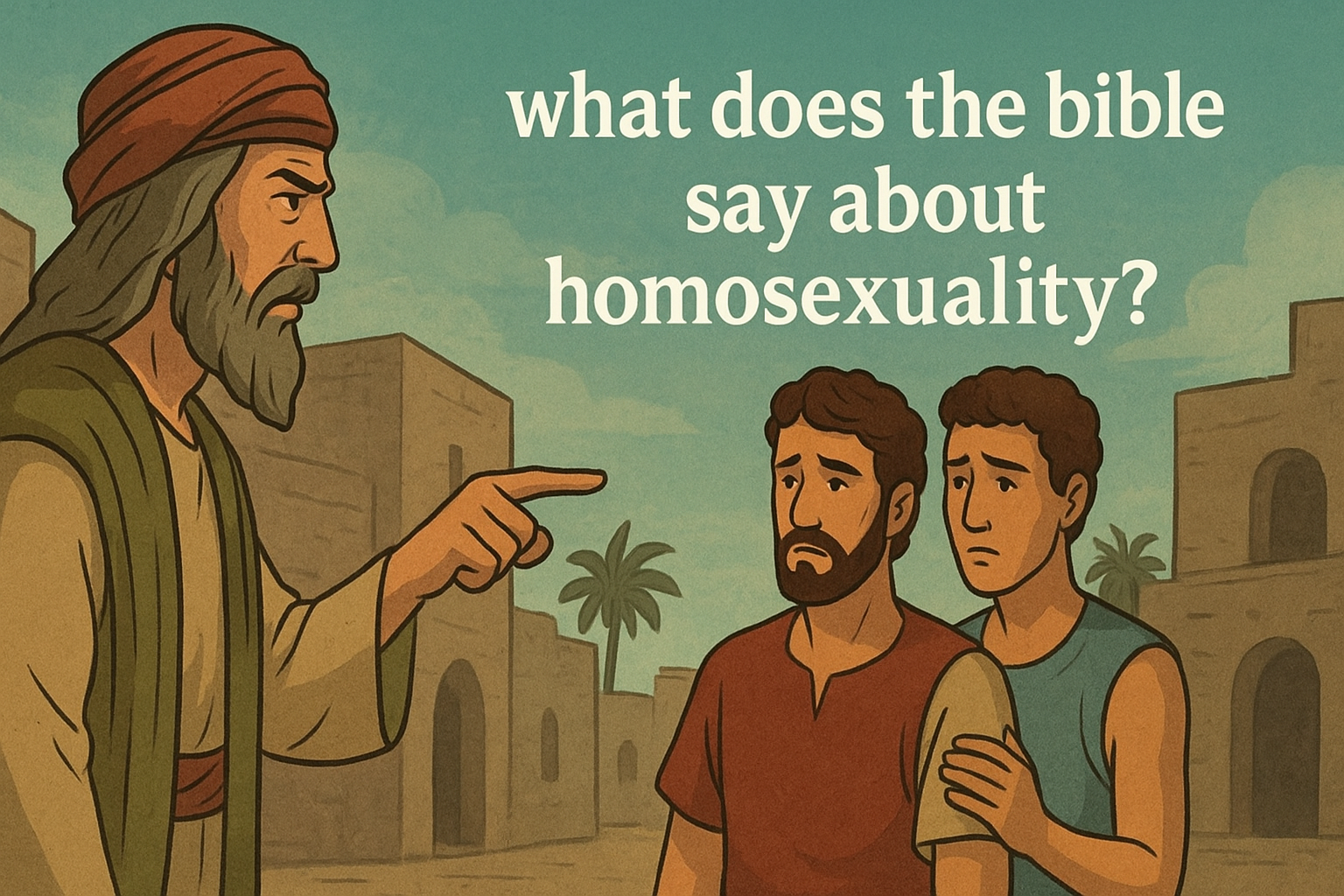
The topic of homosexuality has sparked significant discussion and debate within Christian circles and beyond. Many people look to the Bible for guidance on this issue, seeking to understand what Scripture teaches about same-sex relationships and sexual orientation. This article aims to explore the relevant biblical passages and their interpretations to shed light on the question: What does the Bible say about homosexuality?
To begin, it is essential to approach this subject with care and respect, recognizing the diverse perspectives within Christianity. The Bible contains several passages that are often cited in discussions about homosexuality. These include Genesis, Leviticus, Romans, and Corinthians, among others. Understanding these texts in their historical and cultural contexts is crucial for a comprehensive interpretation.
Old Testament Views on Homosexuality
Genesis and the Creation of Humanity
The first book of the Bible, Genesis, provides foundational insights into God’s design for human relationships. In Genesis 1:27, it states, “So God created mankind in his own image; in the image of God he created them; male and female he created them.” This passage highlights the creation of male and female as part of God’s intentional design. The subsequent narrative of Adam and Eve in Genesis 2:24 emphasizes the union of a man and a woman, suggesting that heterosexual relationships are part of God’s original plan for humanity.
Levitical Laws
In the Old Testament, particularly in the book of Leviticus, there are specific laws regarding sexual behavior. Leviticus 18:22 states, “Do not have sexual relations with a man as one does with a woman; that is detestable.” This verse is often cited as a clear prohibition against homosexual acts. Additionally, Leviticus 20:13 reinforces this stance by stating that both parties involved in such acts should be put to death, reflecting the seriousness of the law in ancient Israel.
It is important to note that these laws were part of the Mosaic Covenant, which was specific to the Israelite community and not necessarily applicable to all cultures and peoples. Many Christians today view these laws through the lens of Christ’s teachings, which emphasize love, grace, and mercy.
New Testament Perspectives
Paul’s Letters
The Apostle Paul addresses sexual morality in several of his letters, particularly in Romans and Corinthians. In Romans 1:26-27, Paul writes about people who have exchanged natural relations for unnatural ones. He describes same-sex relations as a result of turning away from God. This passage is often interpreted as a condemnation of homosexual behavior. However, some scholars argue that Paul’s focus was more on idolatry and the cultural context of his time rather than a blanket condemnation of all same-sex relationships.
In 1 Corinthians 6:9-10, Paul lists various types of immoral behavior, including “men who have sex with men.” The Greek terms used in this passage have been the subject of much debate. Some scholars suggest that they refer to specific practices in the Greco-Roman culture, such as exploitation or promiscuity, rather than consensual same-sex relationships. This distinction is crucial in understanding the intent behind Paul’s words.
The Context of Love and Grace
Throughout the New Testament, the overarching themes of love, grace, and redemption are emphasized. Jesus’ interactions with marginalized individuals, including those considered sinners, demonstrate a profound compassion that transcends societal norms. For instance, in John 8:1-11, Jesus encounters a woman caught in adultery and chooses not to condemn her. Instead, He urges her to “go now and leave your life of sin.” This example reflects the heart of Jesus’ ministry and the call for all believers to extend grace to others.
Interpretive Challenges and Contemporary Discussions
As discussions around homosexuality continue to evolve, various interpretations of Scripture have emerged. Some Christians affirm same-sex relationships, arguing that the biblical texts have been misinterpreted or taken out of context. Others maintain a traditional view, holding fast to the belief that the Bible unequivocally condemns homosexual acts.
- Traditional View: This perspective holds that the biblical prohibitions against homosexuality are clear and applicable to all believers. Proponents often emphasize the need for adherence to Scripture and the importance of maintaining biblical standards of morality.
- Affirming View: Supporters of this view argue that the Bible’s teachings on love and inclusion should lead to the acceptance of same-sex relationships. They often point to the lack of direct references to committed, loving partnerships in the biblical texts and emphasize the cultural context of the prohibitions.
Ultimately, the conversation about homosexuality within Christianity is complex and multifaceted. It involves not only biblical interpretation but also an understanding of human dignity, love, and the grace of God. As believers navigate this topic, it is essential to approach it with humility, seeking to understand different perspectives while remaining rooted in the teachings of Christ.
Understanding Cultural Context and Historical Interpretations
To grasp the biblical perspective on homosexuality, it is vital to consider the cultural and historical contexts in which the texts were written. Ancient societies held different views on sexuality, often shaped by their religious beliefs and social structures. For example, in the Greco-Roman world, same-sex relationships were often viewed through the lens of power dynamics, where older men might engage in relationships with younger males. This context is crucial when interpreting Paul’s letters, as his criticisms may have been directed at specific practices rather than an outright condemnation of all same-sex relationships.
Moreover, the concept of sexual orientation as understood today did not exist in biblical times. People did not categorize their sexual preferences in the same way modern society does. Instead, sexual behavior was often seen as a matter of morality or social status rather than an expression of identity. Recognizing this distinction can help modern readers understand the complexities of biblical texts related to sexuality.
Key Biblical Principles Beyond Sexuality
When exploring what the Bible says about homosexuality, it is also important to reflect on broader biblical principles that govern human relationships. The Bible emphasizes love, compassion, and justice throughout its teachings. For instance, the command to love one’s neighbor as oneself (Mark 12:31) encourages believers to treat others with dignity and respect, regardless of their sexual orientation.
Additionally, the New Testament’s emphasis on grace and forgiveness calls Christians to approach others with understanding rather than condemnation. In 2 Corinthians 5:17-19, Paul speaks of reconciliation and being a new creation in Christ. This perspective invites believers to focus on the transformative power of God’s love rather than solely on moral failings.
Questions for Reflection and Dialogue
As individuals and communities engage with the topic of homosexuality in light of Scripture, it can be helpful to ask meaningful questions that promote dialogue and understanding. Here are some questions that may guide discussions:
- What does it mean to love our neighbors, including those who identify as LGBTQ+?
- How can we balance biblical teachings with the call to show grace and compassion?
- In what ways can our understanding of God’s love inform our views on sexual orientation?
- How do we navigate differing interpretations of Scripture within our faith communities?
- What role does cultural context play in our understanding of biblical texts related to sexuality?
These questions can foster a spirit of inquiry and openness, allowing believers to explore differing perspectives while remaining committed to their faith in Christ.
The Role of the Church in Supporting Individuals
As the church grapples with issues surrounding homosexuality, it is essential to consider the role it plays in supporting individuals and families. Many people who identify as LGBTQ+ often face rejection or discrimination, even within religious communities. This reality can lead to feelings of isolation and despair. The church is called to be a place of refuge and healing, providing support regardless of one’s sexual orientation.
Church leaders and congregations can create inclusive environments by fostering dialogue, educating members about LGBTQ+ issues, and promoting a culture of acceptance. This approach aligns with the biblical call to love and serve one another, reflecting the heart of the Gospel.
Conclusion: Embracing Complexity and Seeking Unity
The conversation about homosexuality in the context of Christianity is undoubtedly complex and multifaceted. As believers, it is crucial to approach this topic with humility, love, and an open heart. While the Bible contains passages that have been interpreted as prohibitive, it also emphasizes the principles of love, grace, and acceptance that should guide our interactions with others.
Ultimately, seeking unity in Christ should be the goal of all believers, regardless of differing interpretations of Scripture. By engaging in respectful dialogue and striving to understand one another, the church can become a beacon of hope and love in a world that often struggles with issues of acceptance and identity. In doing so, we reflect the heart of Jesus and the transformative power of His message to all humanity.