
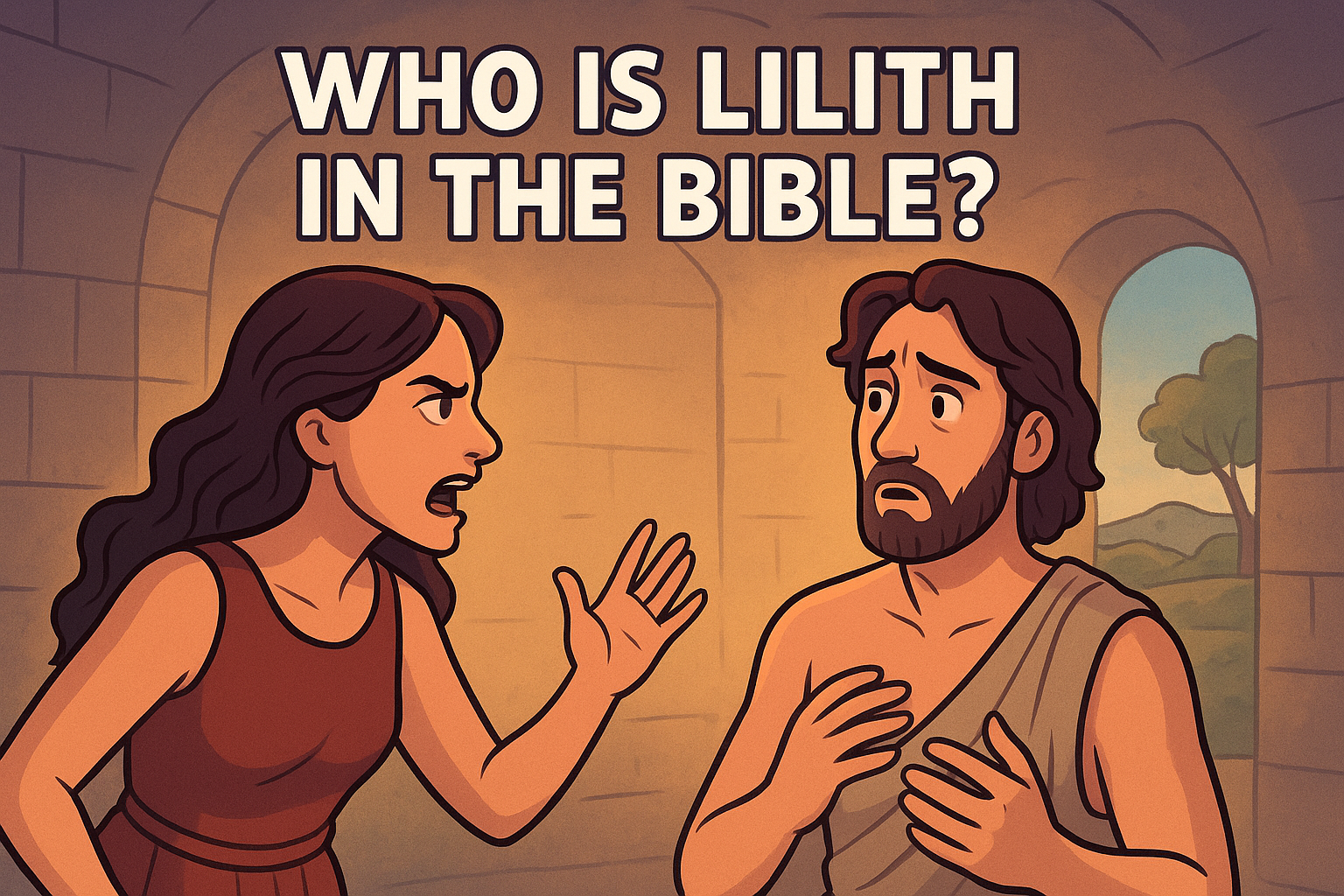
Many people have heard of Lilith, but her identity and significance are often misunderstood. This article explores who Lilith is, her origins, and her connections to biblical texts and traditions. We will examine the sources that mention her, as well as the various interpretations that have emerged over time.
In the Bible, the mention of Lilith is quite limited and often debated. The most notable reference is found in the book of Isaiah, where some translations mention her as a creature associated with desolation. However, her role and nature are not clearly defined in the biblical text itself. To understand Lilith better, we need to look at the historical and cultural contexts surrounding her mention and how she has been interpreted throughout the ages.
The Mention of Lilith in the Bible
Isaiah 34:14
The primary reference to Lilith in the Bible appears in Isaiah 34:14. In the New Living Translation, this verse describes a desolate land where various creatures will dwell. It states, “The desert owl and the screech owl will nest there, and the raven will caw there.” Some translations, like the Hebrew Bible, use the term “Lilith” in this context. This passage describes a scene of desolation and destruction, and Lilith is often interpreted as a creature of the night that embodies this desolation.
Interpretations of Lilith
Interpretations of Lilith vary widely, ranging from a literal creature to a symbol of chaos. Many scholars consider her to be a representation of the dangers and fears associated with the wilderness. In ancient Near Eastern cultures, the wilderness was often seen as a place inhabited by malevolent spirits and creatures. Lilith’s association with this desolate imagery could reflect these cultural beliefs.
Historical Context and Extra-Biblical Sources
The Talmud and Midrash
While the Bible provides only a brief reference to Lilith, later Jewish texts expand on her character. In the Talmud and various Midrashic writings, Lilith is depicted as Adam’s first wife, created simultaneously with him. According to these traditions, Lilith left Adam because she did not want to submit to him. This narrative is not found in the Bible but has become a well-known part of Jewish folklore.
In these extra-biblical sources, Lilith is often portrayed as a figure of seduction and danger. She is described as a demon who preys on newborn children and pregnant women, reflecting societal fears of maternal mortality and loss. This portrayal contrasts sharply with the biblical texts, where her character is less defined.
Medieval and Modern Interpretations
During the Middle Ages, Lilith’s image evolved further. She became associated with witchcraft and was often depicted as a femme fatale who lured men to their doom. This shift in perception highlights how cultural attitudes toward women influenced the interpretation of her character. In some modern feminist interpretations, Lilith has come to symbolize female empowerment and independence, reclaiming her narrative from one of danger to one of strength.
Scriptural Context and Symbolism
Understanding the Symbolism of Lilith
To grasp Lilith’s significance, it’s essential to consider her symbolism within the broader biblical narrative. The Bible often uses imagery of darkness and chaos to represent evil or spiritual opposition to God’s order. In this light, Lilith can be seen as a personification of these themes, embodying the fears and uncertainties of the world outside the safety of civilization.
For example, in Isaiah, the desolation described in the surrounding verses emphasizes God’s judgment against nations that oppose Him. Lilith, as a creature of desolation, serves as a reminder of the consequences of turning away from divine order. Thus, while she may not have a prominent role in biblical narratives, her mention carries symbolic weight within the context of judgment and chaos.
Contrast with Eve
In contrast to Lilith, Eve is portrayed as the mother of all living and a symbol of partnership and community. The differences between these two figures highlight varying perspectives on femininity and the roles of women within biblical and cultural narratives. While Eve represents harmony and collaboration within God’s creation, Lilith embodies the chaos that can arise when order is disrupted.
Understanding Lilith’s role in this context allows for a deeper appreciation of the complexities of biblical narratives and how they reflect broader cultural themes. While Lilith may not be a central figure in the Bible, her story and the interpretations surrounding her provide insights into the ancient worldview and the evolving perceptions of women throughout history.
The Nature of Lilith in Cultural Contexts
To further understand Lilith’s implications, it’s essential to explore how various cultures have perceived her. In ancient Mesopotamian mythology, figures akin to Lilith appeared as night spirits or demons. These mythological beings were often associated with storms and chaos, suggesting that the ancients viewed the night as a time of danger and unpredictability. This cultural backdrop likely influenced the biblical portrayal of Lilith as a creature associated with desolation.
Gender and Power Dynamics
The story of Lilith as Adam’s first wife offers a fascinating lens through which to view gender dynamics in religious texts. According to the Talmudic narrative, Lilith’s refusal to submit to Adam signifies a challenge to traditional gender roles. This narrative has been interpreted in various ways, with some viewing Lilith as a symbol of women’s autonomy and others seeing her as a cautionary tale about defiance against male authority.
In the context of contemporary discussions about feminism and gender equality, Lilith’s story has been reclaimed by some as a figure of empowerment. This reinterpretation reflects a broader societal shift towards recognizing women’s rights and agency. By viewing Lilith through this lens, modern readers can explore the complexities of female representation in religious texts and the implications of these narratives on contemporary gender issues.
Connections to Folklore and Literature
Outside the biblical texts, Lilith has inspired a wealth of literature and folklore. Throughout history, she has appeared in various works, from medieval demonology to contemporary novels and poetry. These representations often reflect the fears and fascinations of the societies that produced them. In some tales, Lilith is depicted as a seductress, while in others, she embodies the archetype of the dangerous woman who disrupts the social order.
The evolution of Lilith’s character in literature often mirrors the changing perceptions of women in society. As feminist movements gained momentum, Lilith transformed from a figure of chaos into one of empowerment, challenging the traditional narratives that sought to confine women’s roles. This transformation emphasizes the fluidity of cultural symbols and how they can be reinterpreted to reflect contemporary values.
Modern Interpretations and Popular Culture
Lilith in Popular Culture
In recent years, Lilith has found a place in popular culture, appearing in films, music, and art. This resurgence highlights a growing interest in her character and the themes she represents. For instance, she is often portrayed as a strong, independent woman who defies societal norms. This modern representation contrasts sharply with her historical depictions as a demon or seductress, showcasing how cultural narratives can evolve over time.
Moreover, Lilith’s presence in popular media often serves as a commentary on women’s struggles for autonomy and recognition. By reclaiming her story, modern artists and writers contribute to ongoing discussions about gender, power, and identity. This engagement with Lilith demonstrates the relevance of her character in contemporary society and the continued exploration of her themes in various contexts.
Questions for Reflection
As we consider the various interpretations of Lilith, several meaningful questions arise:
- How do different cultural contexts shape our understanding of figures like Lilith?
- In what ways can Lilith’s story inform contemporary discussions about gender and power?
- What does the contrast between Lilith and Eve reveal about the biblical portrayal of women?
- How can we reconcile traditional interpretations of Lilith with modern feminist perspectives?
- What role does folklore play in shaping the narratives surrounding biblical figures?
These questions encourage deeper engagement with Lilith’s character and the broader themes she represents, prompting us to explore the intersections of culture, gender, and spirituality.
Conclusion: Lilith’s Enduring Legacy
In summary, Lilith’s mention in the Bible is limited, but her legacy extends far beyond the biblical text. Through various interpretations and cultural contexts, she has become a multifaceted figure representing chaos, independence, and the complexities of femininity. Whether viewed as a demon, a symbol of defiance, or a figure of empowerment, Lilith continues to provoke thought and discussion.
Her story prompts us to reflect on the roles of women in religious narratives and the ways these narratives shape societal attitudes. By engaging with Lilith’s character, we gain insights into the evolving perceptions of femininity throughout history and the ongoing relevance of her story in contemporary discussions about gender and power.